
Alexandria's Historic Fire-Fighting Vehicles
For at least the first century of Alexandria’s existence, most residents lived in wooden buildings in which open flames provided heat, light and cooking, and fire was a constant danger. Water to fight a fire had to be carried in buckets from a nearby well, a town pump up the block, or drawn directly from the Potomac River or Hunting Creek. The first fire engines were a great improvement in fire-fighting technology, allowing water to be sprayed into a building or onto its roof, preventing it from spreading to the buildings next door. They were not very powerful, however, and together with hose reels and other equipment, had to be pulled by hand to the fire and operated by volunteers.
The Suction Engine
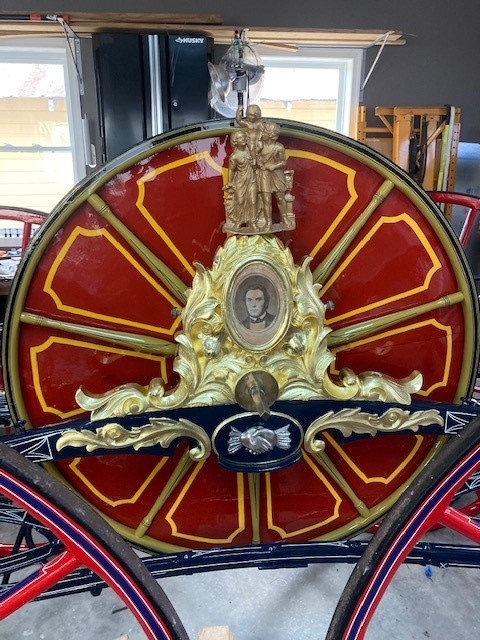
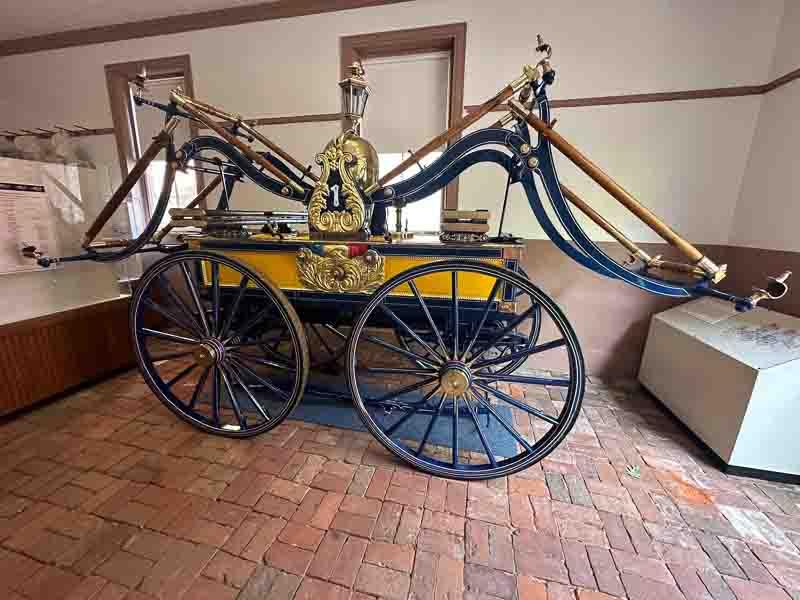
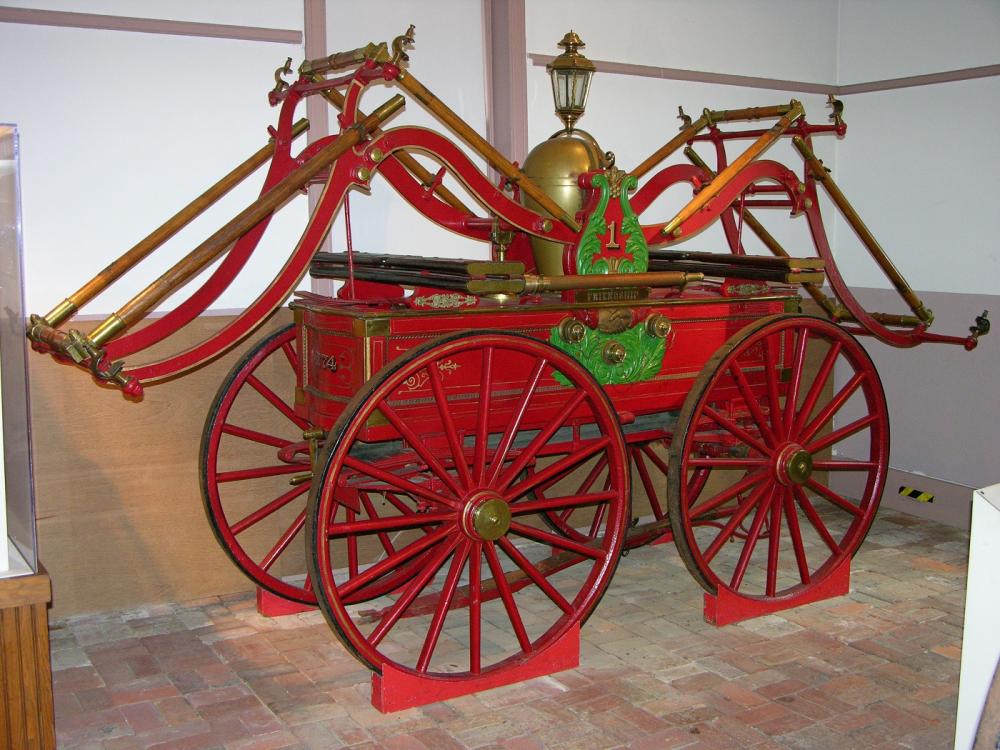
Built by John Rodgers, Baltimore, Maryland, 1851
The earliest fire engines were basically pumps on wheels, enabling firefighters to spray water a further distance onto the blaze. “Bucket brigades” would form as two lines of people passed filled buckets from a source of water (river, creek, pond or well) to a fire engine, and then passed the empty ones from the engine back to the water source. Suction engines, invented in the early 19th century, drew their own water through a hose, and provided a more powerful and constant stream. Without the need for a bucket brigade, fewer men could fight a fire with this type of engine. Suction engines could also be hooked up to one another, pumping water from a distance.
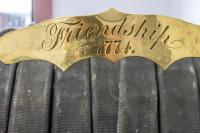
By 1850, few fire engine makers could match the skill and reputation of John Rodgers in Baltimore, so it was natural that Friendship’s members went to him for their new fire apparatus in 1851. The new Rodgers suction engine threw water 155 feet when it was first tested in November, with over a dozen men working the “brakes,” the curved iron arms that powered the internal pump. Hard use for the next thirty years meant that the engine was repainted and repaired many times, until it was finally retired from active service in the late 19th century.
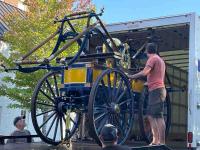
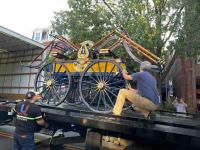
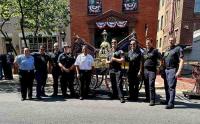
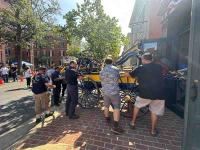
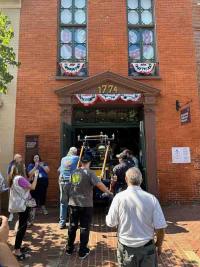
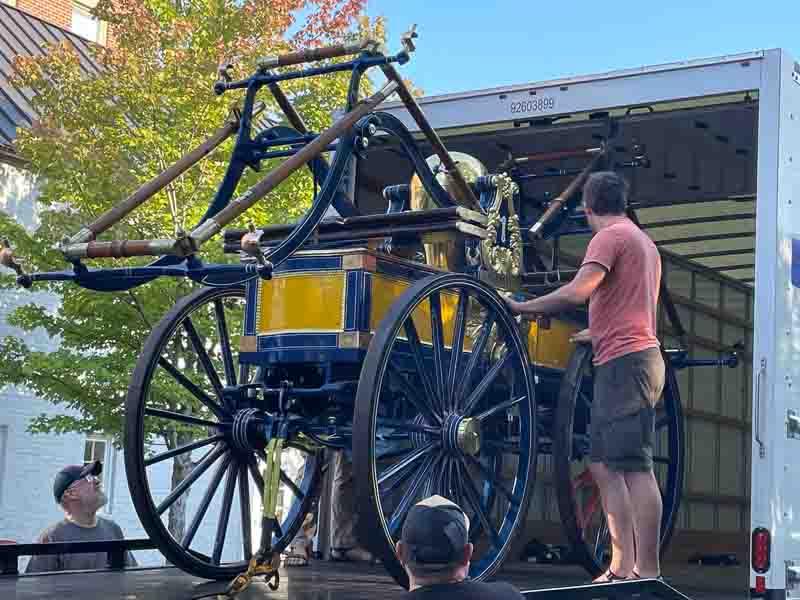
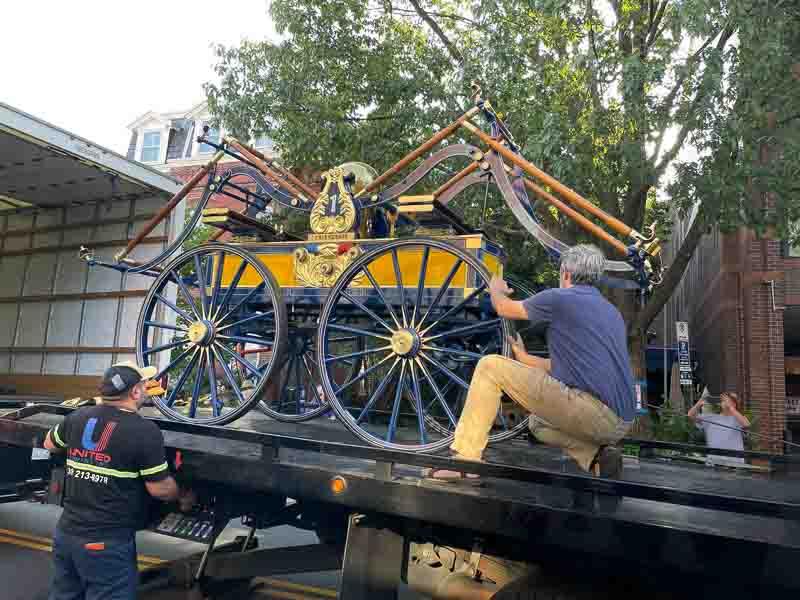
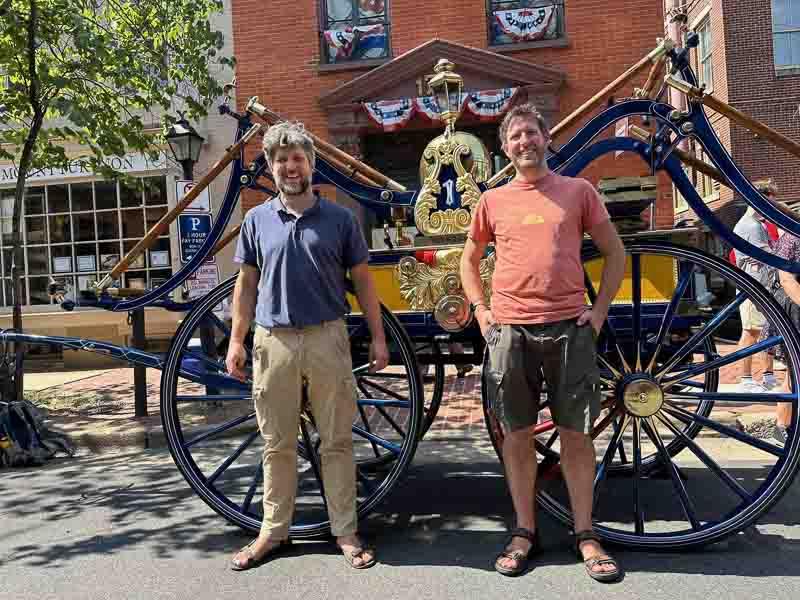
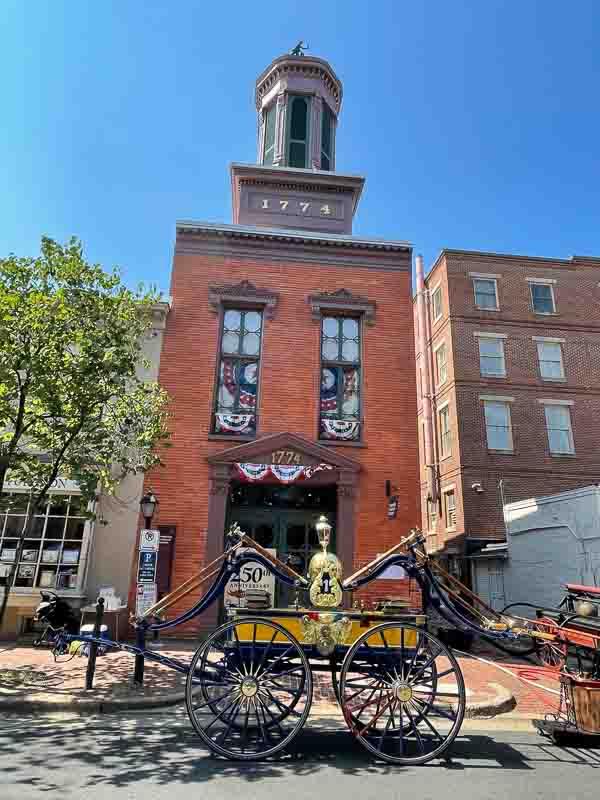
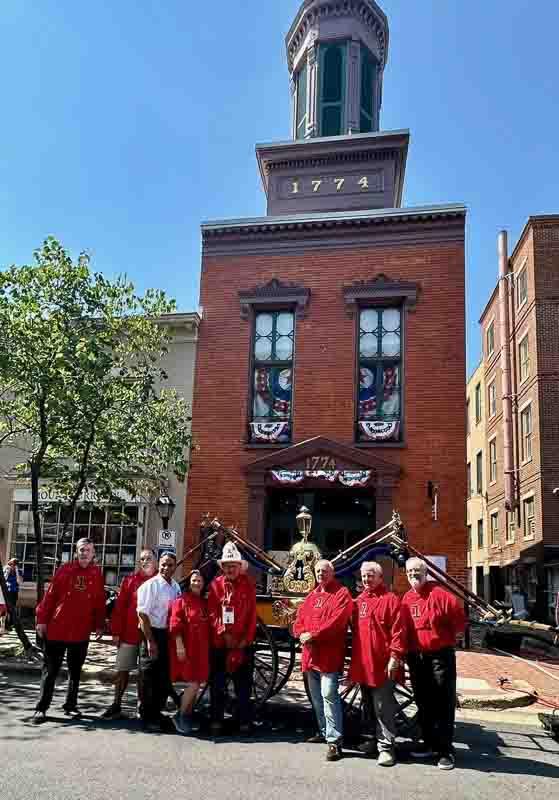
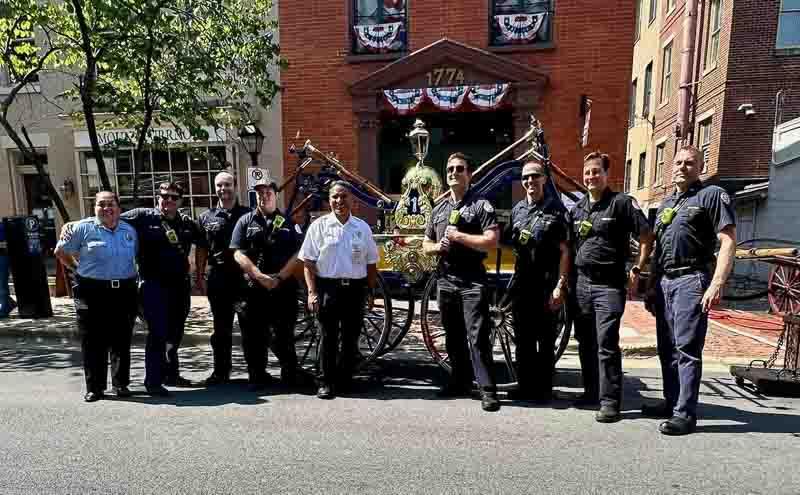
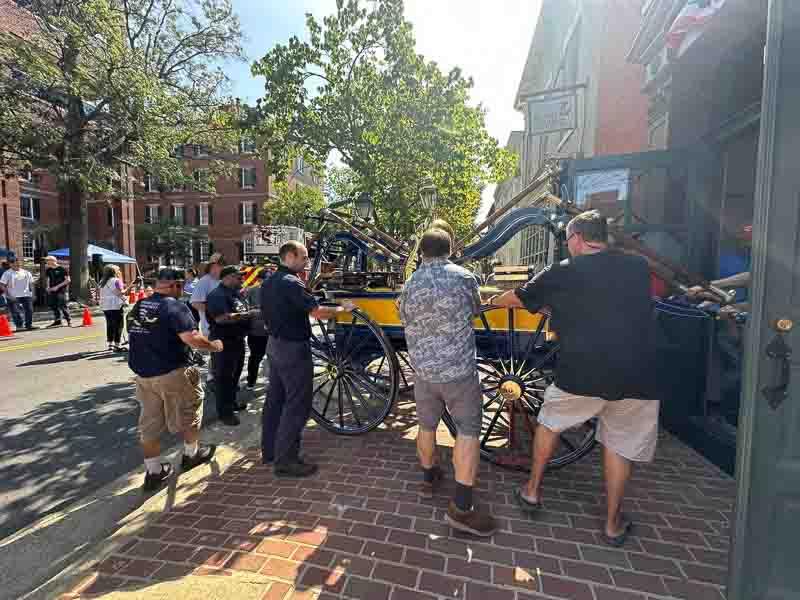
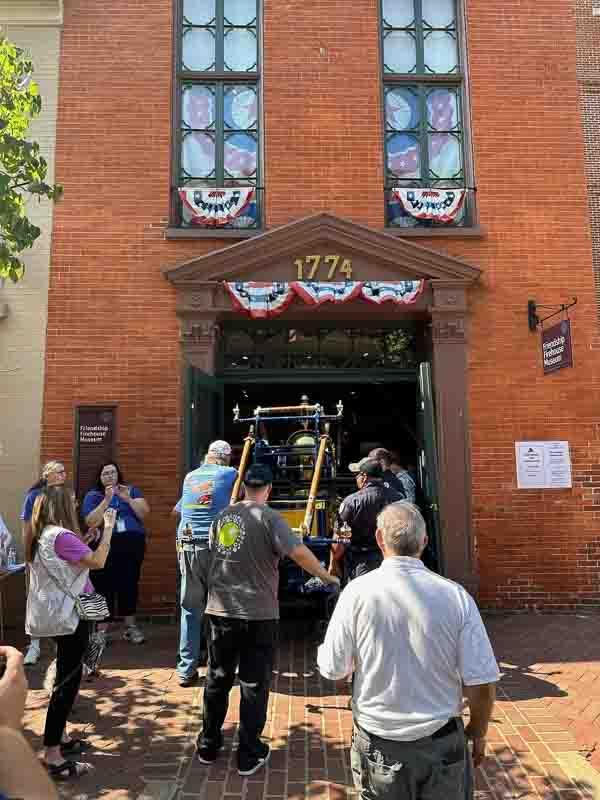
The Suction Engine returned from extensive conservation on September 14, 2024, during the muster of antique firefighting equipment (below). Prior to conservation, the pumper looked pretty sound from a distance, but closer inspection revealed a different story. Cracked and peeling paint, split wood, minor damage and bad repairs, and many layers of a variety of colors all hide the original craftsmanship and beauty of this vehicle. A full conservation treatment, including a careful and thorough documentation of all paint and other finish surfaces, now preserves what remains of its’ original 1851 appearance. Today, the Rodgers Suction Engine remains the “flagship” of the Friendship Firehouse Museum’s vehicle collection.
Learn more about the pumper:
- The Friendship Pumper by Kris Lloyd, Antiques in Alexandria 1999.
- Alexandria's suction pumper fire engine, Out of the Attic, Alexandria Times, August 4, 2022.
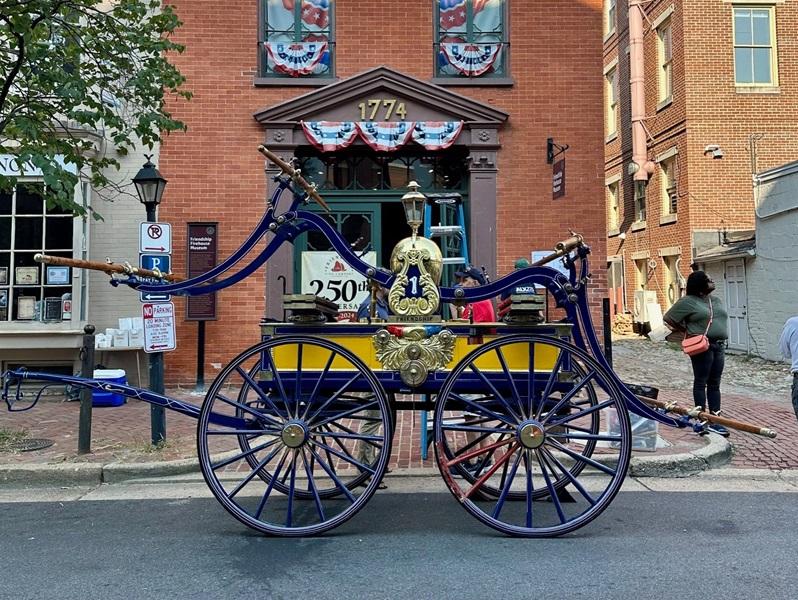
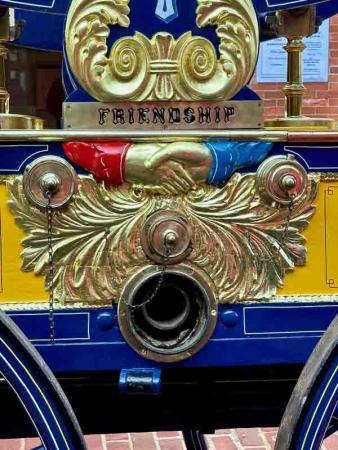
The Hose Carriage
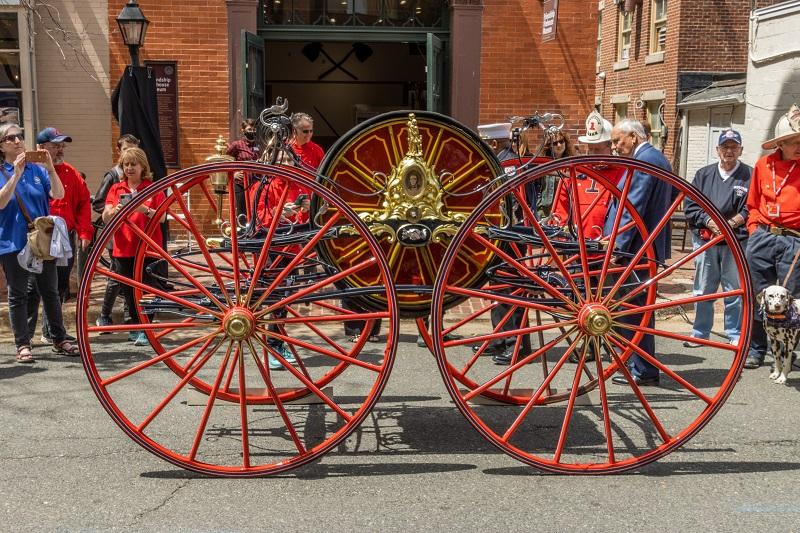
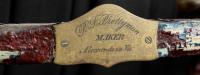
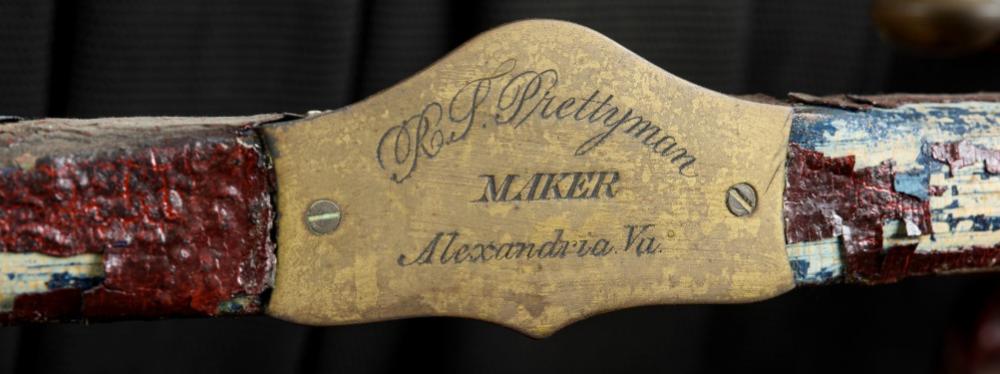
Built by Robert F. Prettyman, Alexandria, Virginia, 1858
Getting a fire engine to a fire was one thing . . . ensuring that it had a steady water supply was something else. In Alexandria, fires along the waterfront could be controlled with water drawn straight from the Potomac River, but fires further into town needed water from wells or cisterns. After 1810, public wells began to appear on street corners in Alexandria, and the Alexandria Water Company piped water from Shuter’s Hill beginning in 1852. Connecting “suction” fire engines (which drew water as they sprayed it) to this steady source required hoses, which gradually replaced bucket brigades during the early 19th century. The first hoses were typically made in 50-foot lengths, and only a few pieces could be carried on the fire engine itself, so additional vehicles were created specifically to carry extra lengths of hose.
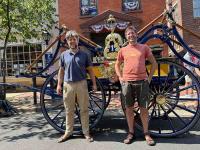
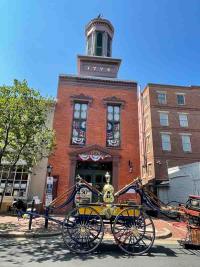
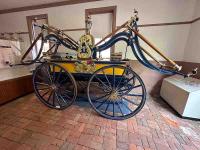
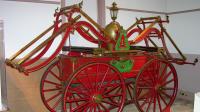
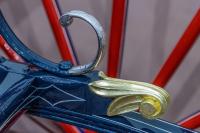
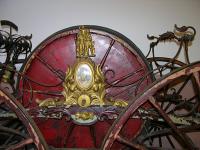
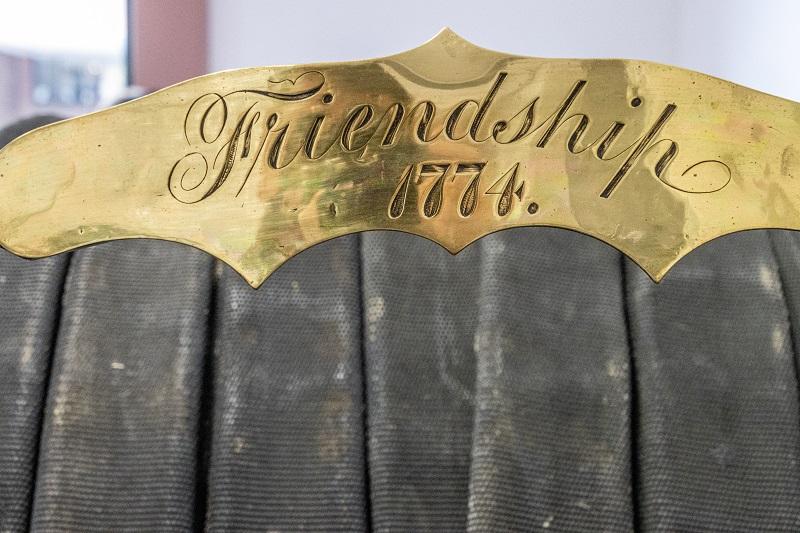
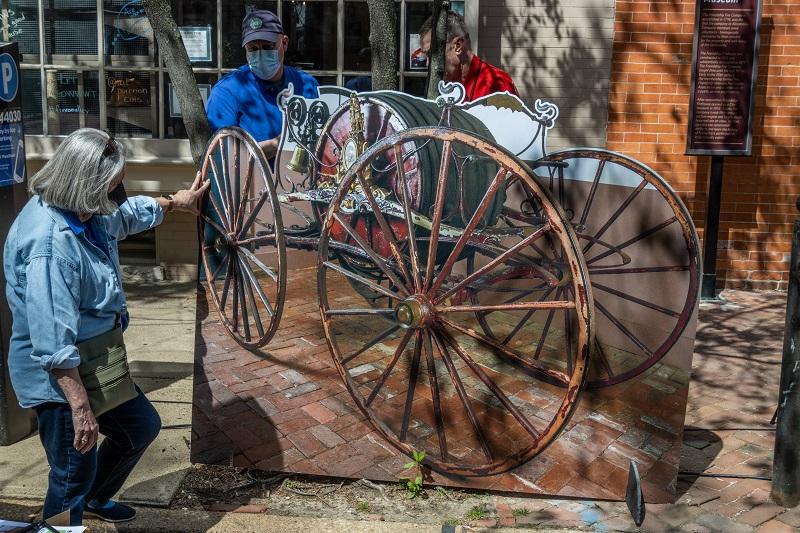
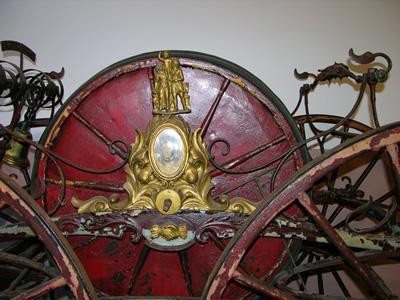
Friendship purchased a hose-reel carriage in 1858 from coachmaker and Friendship member Robert F. Prettyman. It was fitted with two large bells to sound the alarm as the vehicle bounced through Alexandria’s streets, as well as “a large lamp of stained glass with the date of the organization 1774 cut in the glass, over which stands a miniature fireman in full dress.” The total cost of the vehicle was $550.
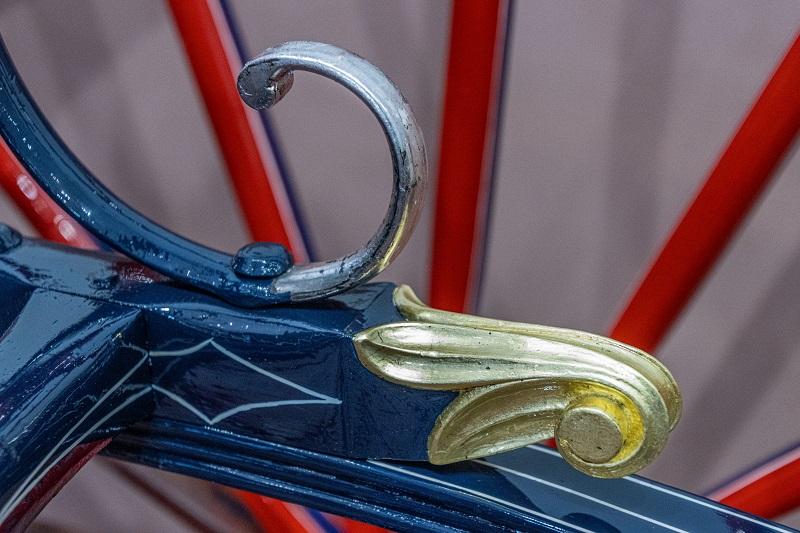
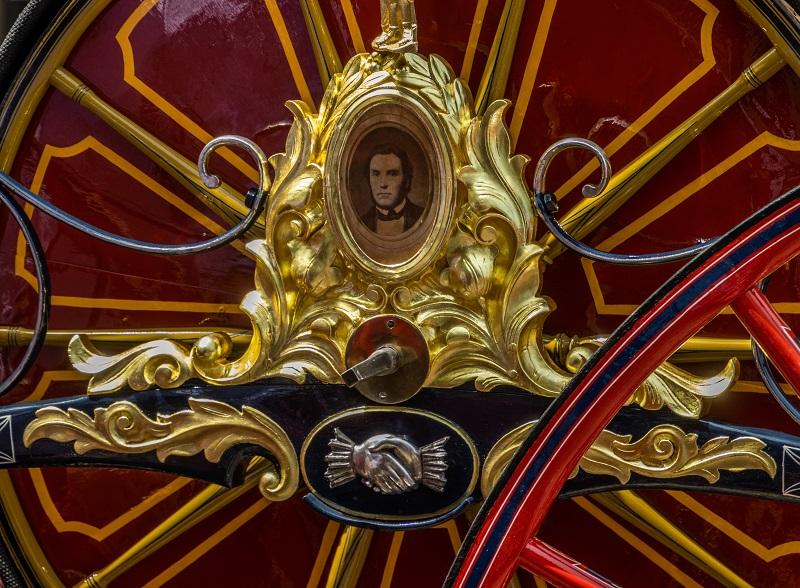
Thanks to fundraising efforts led by the Friendship Veterans Fire Engine Association, the Prettyman hose carriage underwent much needed conservation, returning to Friendship Firehouse in 2022. The conservation plan called for a complete documentation of all paint layers on each component, saving the traces of original finish that remain, and replicating missing pieces.
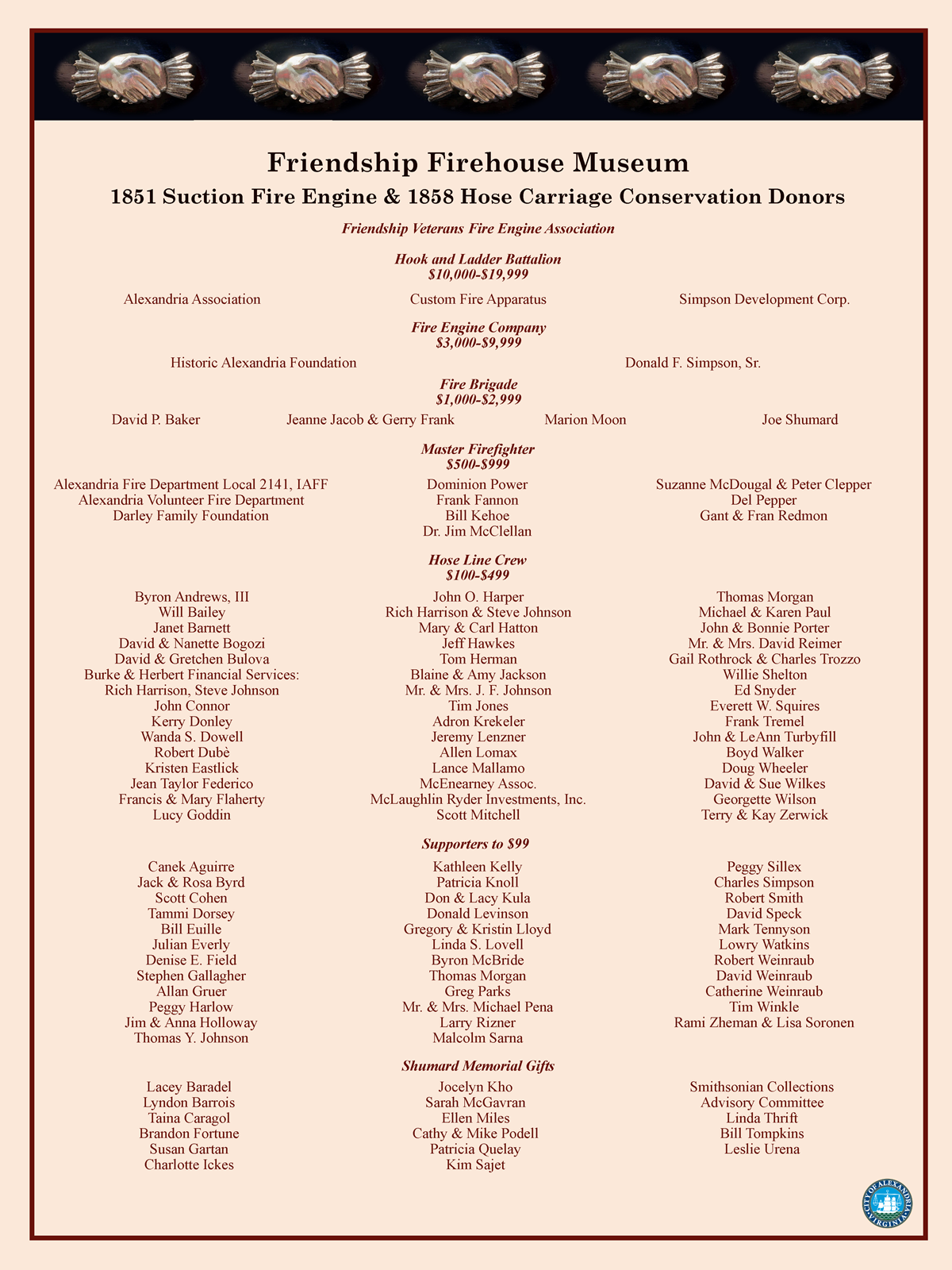
The conservation and restoration was possible thanks to contributions from museum visitors and the following donors. Thank you!

Conservation Donors
Restoring Friendship Firehouse
Friendship Firehouse was built in 1855, was substantially remodeled in 1871, and was then restored by the City of Alexandria in 1992, following its gift to the City by the Friendship Veterans Fire Engine Association. Since that time, City staff have examined, documented, and interpreted Friendship's artifact collection, providing professional care for the building, vehicles, and dozens of other items. In 2009, the cupola and roof of the firehouse received a thorough restoration, complete with historic paint analysis to determine its original appearance.
Volunteer Fire Companies
The Friendship Fire Company was established in 1774, as the first such organization in Alexandria. Their first "fire engine" and other equipment were stored in a shed on Market Square, right in the middle of town. As Alexandria grew into a city, other fire companies formed and Friendship moved to a new firehouse on Alfred Street; this building still stands today as the Friendship Firehouse Museum. Volunteer fire companies served the community faithfully for decades, particularly during enormous blazes in 1827. 1855, 1871 and 1922. As building height increased, the equipment with which to fight fires got more expensive and complicated, and it was difficult for small volunteer companies to pay for new technology. By the early 20th century, the old volunteer companies in Alexandria and many other places were being replaced by paid professional fire departments.
Friendship Veterans Fire Engine Association (FVFEA)
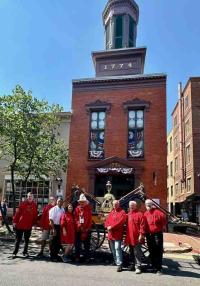
In the 20th century the Friendship Fire Company became the Friendship Veterans Fire Engine Association (FVFEA). Today, the FVFEA assists in the preservation of the Friendship Firehose Museum, supports the Alexandria Fire and EMS Department, and provides scholarships and other benevolent and philanthropic services to the Alexandria community. The Association promotes civic involvement, honors the legacy of its 18th-century founders – all dedicated citizen firefighters – and values the contributions of our present day first responders.
Muster of Firefighting Equipment (2024)
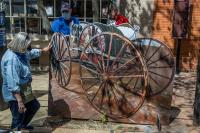
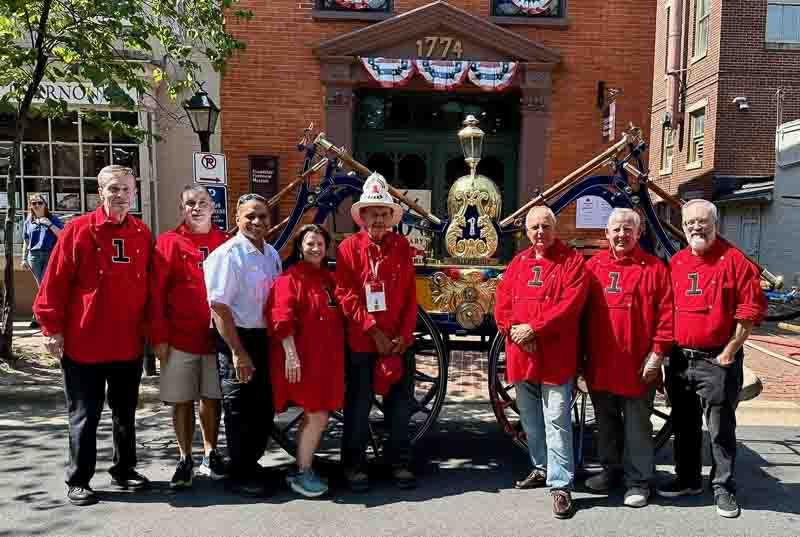
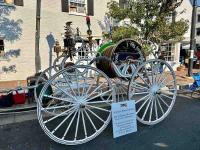
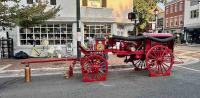
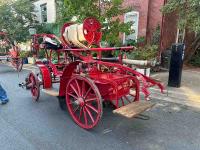
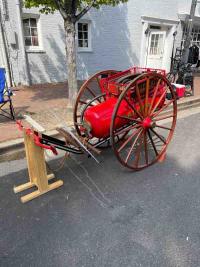
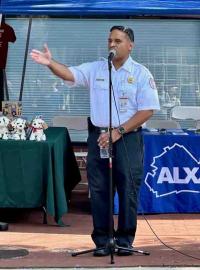
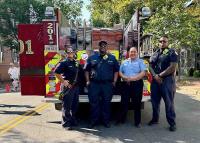
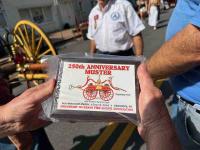
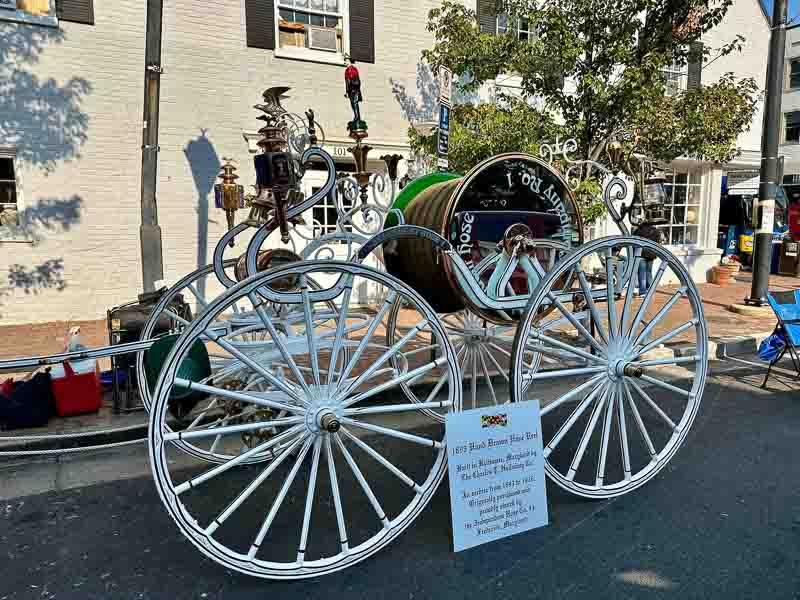
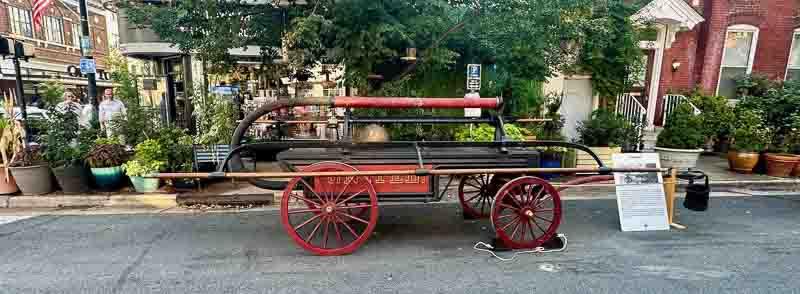
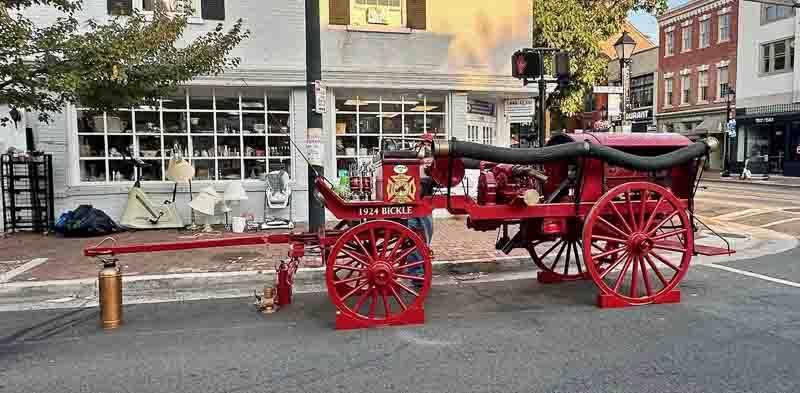
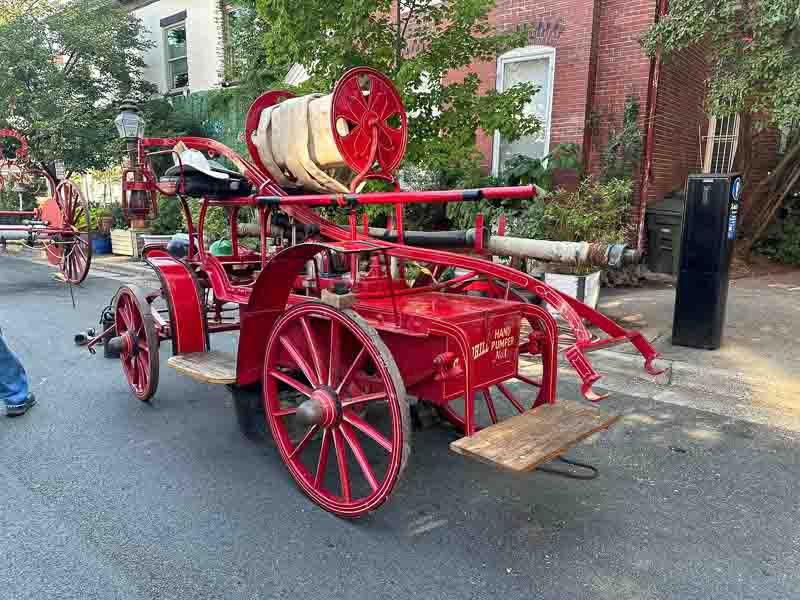
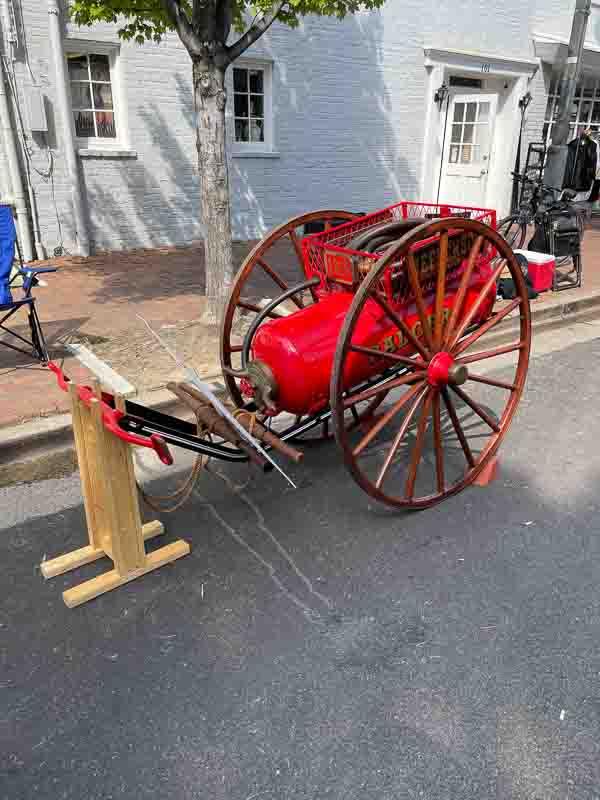
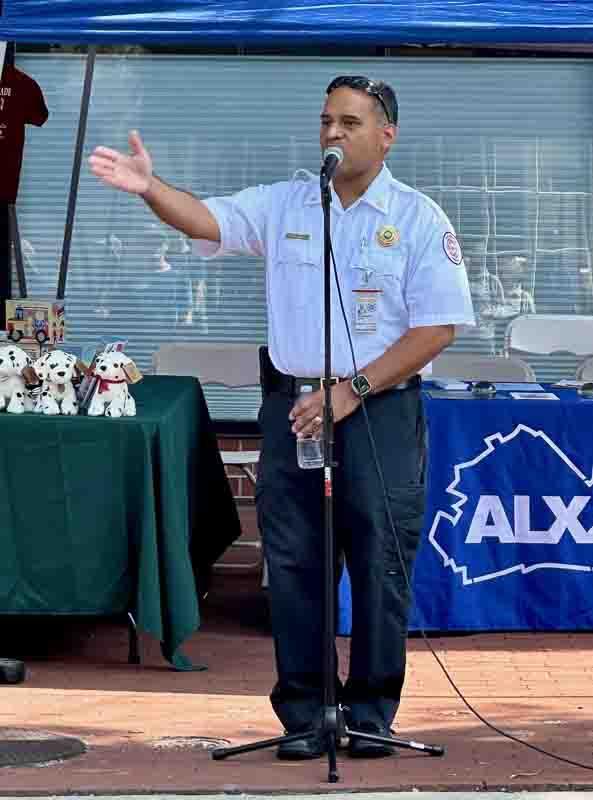
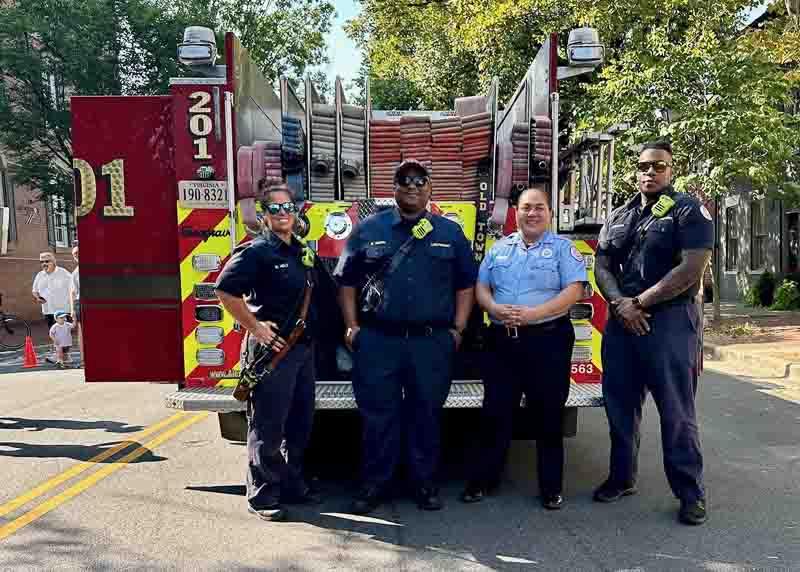
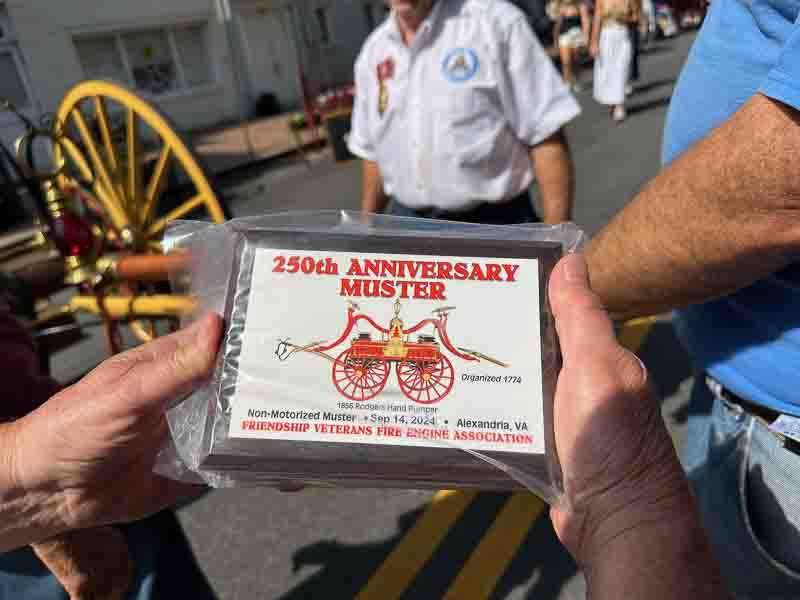
A muster of antique, hand-drawn firefighting apparatus, featuring hose reel carriages and suction engines from throughout the region, were on display outside of the Friendship Firehouse Museum, on Saturday, September 14, 2024.
Suction engines, invented in the early 19th century, drew water from wells, hydrants, and other sources through a hose, and provided a powerful and constant stream of water. The first hoses were typically made in 50-foot lengths, and only a few pieces could be carried on the fire engine itself, so additional vehicles were created specifically to carry extra lengths of hose.
Fire was a constant danger in a town of mostly wooden buildings, where open flames provided heat, light, and cooking. The Friendship, Sun, Relief, Hydraulion, and Star volunteer fire companies served the community faithfully, particularly during enormous blazes in 1827, 1855, and 1871.
Friendship Firehouse Museum’s historic firefighting vehicles, the Prettyman Hose Reel Carriage and the Rodgers Pumper, both underwent much-needed conservation thanks to fundraising efforts led by the Friendship Veterans Fire Engine Association. The Prettyman Hose Reel Carriage returned to Friendship in 2022, and the Rodgers Pumper was brought back to the museum during the muster.
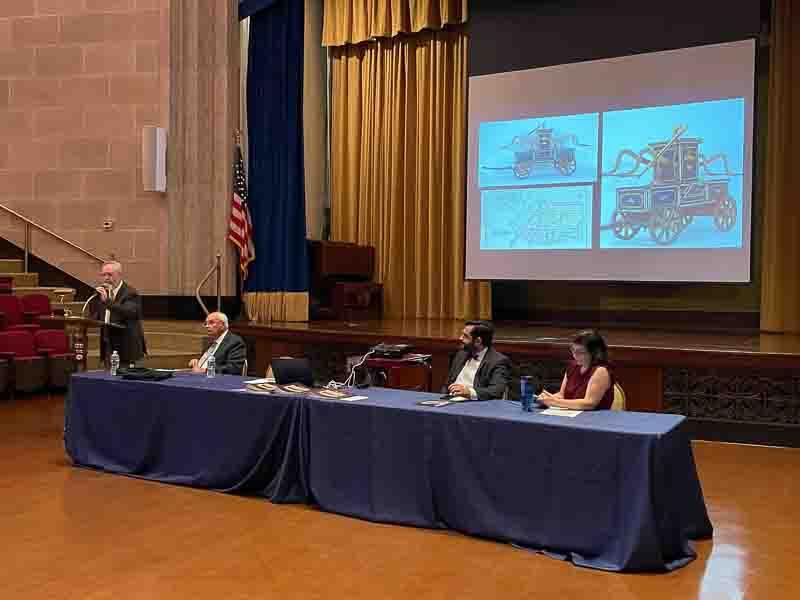
The muster, Friendship & Firefighting in Alexandria, was sponsored by the Friendship Veterans Fire Engine Association and the Office of Historic Alexandria.
- All Fired Up, By Jeanne Theismann, Alexandria Gazette Packet, September 28, 2024.

Reproduction & Publication Requests
Please submit your Reproduction Request for approval by the Office of Historic Alexandria, after reading the Fee Schedule and Reproduction Conditions below. Once your request is approved, you will be sent a payment link.
Reproduction & Publication Fee SCHEDULE
Reproduction & Publication Fees (printable PDF)
Reproduction Fees
- Digital Images (educational, academic, scholarly use): $25 per image
- Commercial use, for profit: $50 per image
- New scanning: $15 per item New photography: $25 per image
- Special handling fee, new photography: $100 per item
(for oversize objects/materials or those with special requirements)
Please note that the physical condition or donor/copyright restrictions may limit what can be reproduced.
Publication Fees
- One-time use in a book or article: $25 per image
- Commercial use, for profit: $100 per image, or as determined by Office of Historic Alexandria
Reproduction Conditions
- The intended use of the material is approved in advance by the Office of Historic Alexandria (OHA).
- Permission to reproduce is intended for one usage, in one publication, one edition and one language. Additional use of the same image requires a new permission request. A photographic copy or any facsimile of the image may not be reproduced by others.
- The credit line for archival or photographic material must be cited as advised by OHA staff.
- The image(s) must remain whole and unaltered, except with permission of OHA staff. If a detail is used, the word “detail” must appear in the caption or credit line.
- Special permission must be obtained if the reproduction is to appear on a book jacket, DVD or CD cover, calendar, brochure, poster, advertisement, video, web page or other commercial product. Fees will be required for cover and commercial usage.
- In authorizing the reproduction of works in its collections, OHA does not surrender its own right to publish or grant permission to others to publish works from the collection.
- It is the requester's obligation to assess copyright or other use restrictions and obtain permissions when necessary before publishing or otherwise distributing materials in OHA's collections.
- The Office of Historic Alexandria/Museum will receive one complimentary copy of the publication or product in which the reproduction appears.
- After approval of your request, reproduction fees are payable in advance, whether or not the materials are used. Make checks payable to the City of Alexandria. For credit card payments, please pay online.
- The user agrees to abide by the above statements and further agrees to indemnify the Office of Historic Alexandria and the City of Alexandria in the event they knowingly or unknowingly violate any intellectual or physical property rights of any entities with rights to the requested materials.