Collecting the Present
Historic Alexandria intentionally collects personal items and oral histories as major events are happening. This ensures these national stories are part of Alexandria’s history for future generations. Every person’s story is a part of history. What do you have to share?
September 11
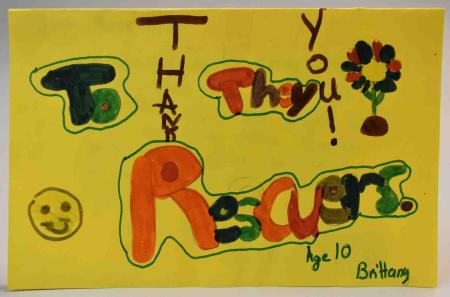
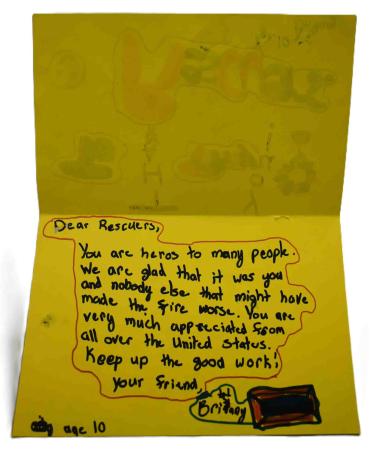
On September 11, 2001, the Pentagon was struck in a terrorist attack, profoundly affecting the Alexandria community. Police and firefighters mobilized to assist. Many residents witnessed the smoke rising from the crash site, while others lost friends, family members, and colleagues. In the days that followed, Alexandria and the nation came together in vigils and acts of remembrance.
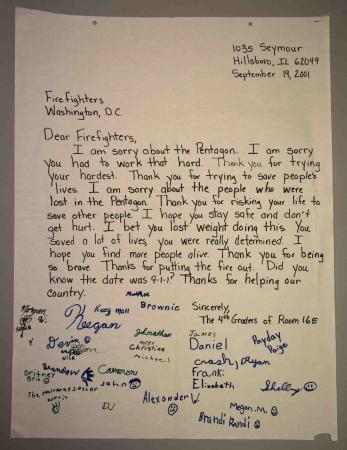
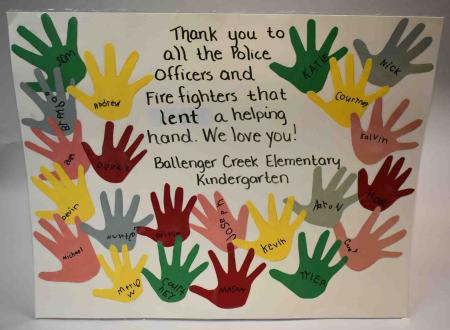
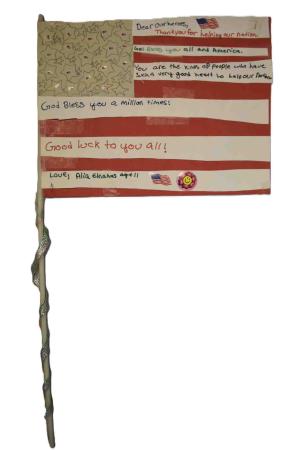
Schoolchildren from around the country expressed their thanks to Alexandria firefighters who responded to the Pentagon after the attack.
Alexandria History Museum at The Lyceum Collection, transfer from the Alexandria Fire Department
Chronicling the Pandemic
Historic Alexandria’s “Chronicling the Pandemic” initiative recorded Alexandria's response to the Covid-19 pandemic by collecting memories and photographs from across the Alexandria community.
All images The Alexandria History Museum at The Lyceum Collection
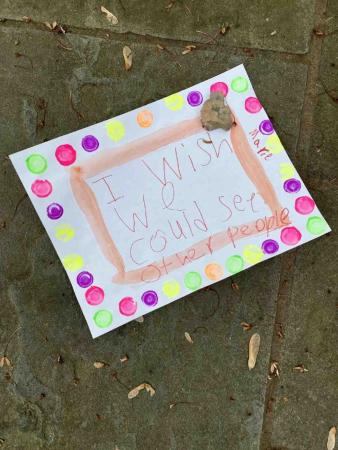
Child’s drawing secured on the sidewalk with a small stone, April 27, 2020, Anna Frame photographer
Alexandria resident Anna Frame took photos during her daily walks in the first months of the pandemic.
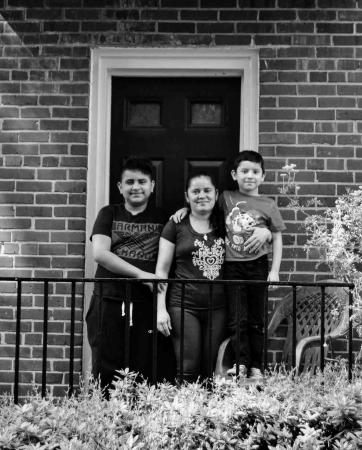
A woman and two boys in front of a house in Arlandria, 2020, Michele Islas photographer
This image is part of a series inspired by the "Front Porch Project," a grassroots social movement where photographers took socially distanced portraits of families on their front porches.
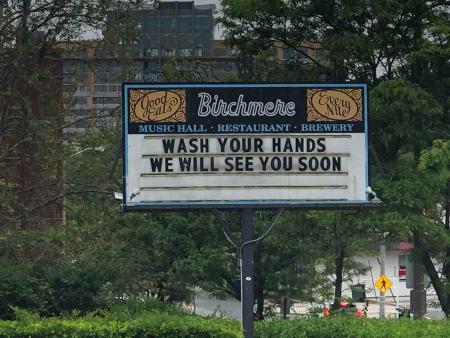
The Birchmere Sign, Volunteers at the Central Kitchen near Four Mile Run, 2020, Elizabeth Bennett-Parker photographer
Elizabeth Bennett-Parker, Alexandria's Vice Mayor in 2020, documented the community’s response to the pandemic.
“Each weekend night our neighbors pull out lawn chairs and set up a socially distanced happy hour in our driveways. We have celebrated birthdays, anniversaries, and graduations together this way…A time like this truly makes you appreciate your community.”
– Dana Wedeles, City of Alexandria employee and resident, July 2020.
“During this time we were busy even at night during curfews. Most people in distress were stuck trying to find a gas station that was still open or had a flat tire and couldn’t find help…Our company offered free delivery of food to truckers who could not find a place to eat…and free assistance to the elderly…”
– Frank Scheer, owner, Road Res-Q, Old Town Alexandria, June 2020.
The Legacy of George Floyd: the Black Lives Matter Collection
The murder of George Floyd by Minneapolis police officer Derek Chauvin on May 25, 2020, ignited large-scale protests and activist movements across the United States and internationally. In Alexandria, community members demonstrated and documented their responses. Historic Alexandria launched a collecting initiative preserving protest signs, photographs, and digital submissions to ensure these events were recorded as they unfolded.
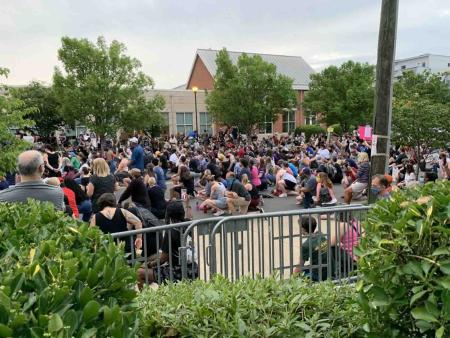
George Floyd Vigil and Community Protest, June 2020, photograph by Audrey Davis
Community members came together to mourn George Floyd and call for racial justice in the heart of Parker-Gray, a historically Black neighborhood long shaped by civic leadership and collective action.
Division of African American History Collection
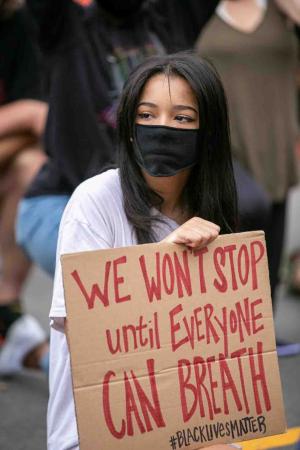
Protester Holding “We Won’t Stop” Sign, Vigil for George Floyd, Eric Chang photographer
A woman wears a face mask to help deter the spread of Covid 19 during the June 4, 2020 vigil at the Charles Houston Recreation Center. The image captures the urgency and emotion of community members who gathered in Alexandria to speak out against racial violence.
Division of African American History Collection, Gift of Eric Chang
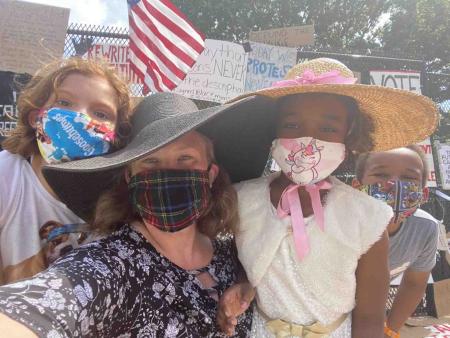
Van Pelt Siblings at NAACP Car Rally, photographs by Lynn Van Pelt
Two images submitted through Instagram show Lynn Van Pelt’s children participating in local demonstrations during early June 2020. The photographs capture how Alexandrians of all ages took part in regional calls for justice and safety.
Division of African American History Collection
Preserving Their Memory: Joseph McCoy and Benjamin Thomas
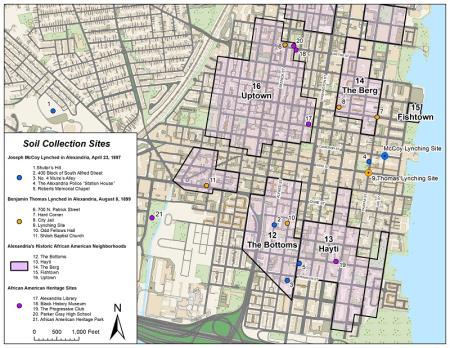
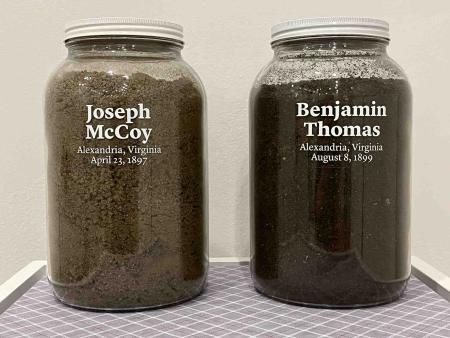
The City of Alexandria’s social justice initiative, the Alexandria Community Remembrance Project (ACRP), is deeply committed to acknowledging Alexandria’s painful history of racial terror and working toward a community rooted in equity and inclusion. In the Fall of 2022, partnered with the Equal Justice Initiative (EJI) and its Community Soil Collection Project, ACRP memorialized the lives of Joseph McCoy and Benjamin Thomas, lynched in Alexandria in 1897 and1899.
Soil Collection
Soil has been collected from areas in the City of Alexandria associated with the lives, arrests, and deaths of Joseph McCoy and Benjamin Thomas, as well as areas of historical significance to the local African American community.
Division of African American History Collection
On Display
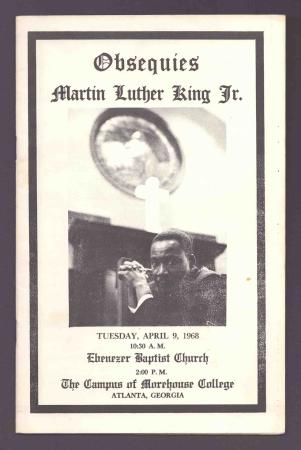
Funeral Program for Dr. Martin Luther King Jr., 1968, Ebenezer Baptist Church / Morehouse College
This printed program was distributed at the April 9, 1968 funeral services for the Rev. Dr. Martin Luther King Jr. at Ebenezer Baptist Church and Morehouse College in Atlanta. It includes a short biography. Saved by an Alexandrian, the program speaks to the deep connection residents felt to King’s leadership and the national mourning that shaped African American communities.
Division of African American History Collection
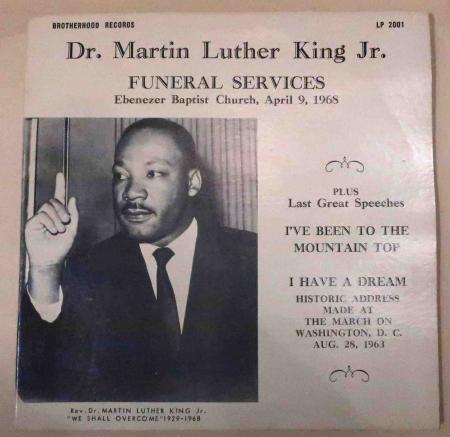
Recordings of Dr. Martin Luther King Jr.’s Funeral and Brotherhood Records
Audio from Dr. King’s April 9, 1968 funeral service is preserved on this vinyl release, which also features his “I’ve Been to the Mountain Top” and “I Have a Dream” speeches. It was issued to support the Southern Christian Leadership Conference and captures King’s powerful voice as well as the era’s calls for justice.
Division of African American History Collection
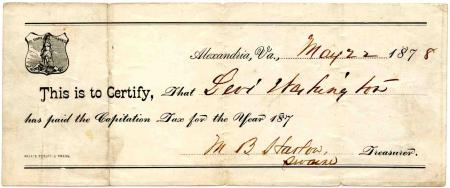
Poll Tax Receipt for Levi Washington, 1878, issued by Treasurer M. B. Harlow
Poll taxes were a form of voter suppression, used throughout the Jim Crow era to disenfranchise Black residents by binding the right to vote to a mandatory fee. This receipt issued to Alexandrian Levi Washington reveals barriers African Americans faced as they fought to maintain access to political power during a period of rising racial discrimination.
Division of African American History Collection
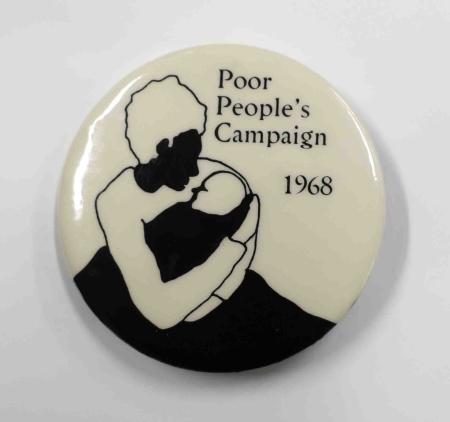
Poor People’s Campaign Button, 1968, maker unknown
The Poor People’s Campaign was a national movement launched by Dr. Martin Luther King Jr. to confront poverty, housing inequality, and economic injustice across racial lines. Many Alexandrians supported the campaign’s goals, recognizing similar struggles in their own neighborhoods during the late 1960s.
Division of African American History Collection
Vietnam Veterans Against the War Button, ca. 1970s, maker unknown
This “Vietnam Veterans Against the War” button features the organization’s insignia. Items like this reflect how veterans and community members joined national conversations about war, justice, and civic responsibility.
Division of African American History Collection

Community Activism
Alexandria residents come together to raise awareness, express their concerns and demand change about a range of social and political issues that impact the community at both a local and national level.
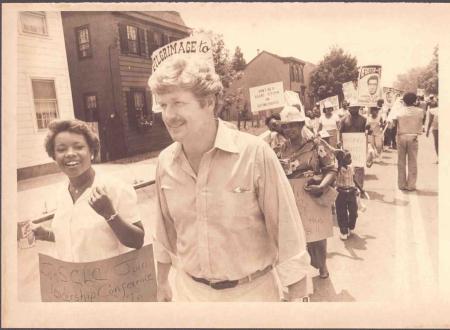
SCLC Protest March Photographs, ca. 1983, Chuck Horne photographer
Marchers holding Southern Christian Leadership Conference (SCLC) signs move through Alexandria. Founded in 1957 by Dr. Martin Luther King Jr. and other Black clergy, the SCLC led nonviolent campaigns for voting rights, education, and economic justice. Their messages - “Register and Vote” and “Fight Student Aid Cut-Backs” - echo concerns shared by many Alexandria residents.
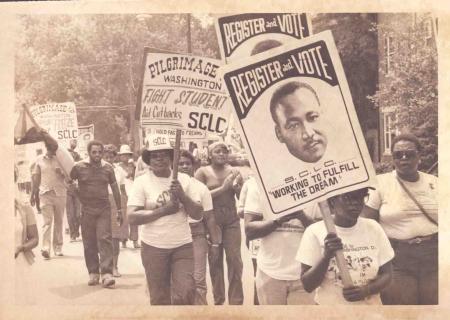
Patricia Byrd, an Alexandria community advocate, and Jim Moran, then Alexandria’s Vice Mayor, walk at the front of the SCLC march. Their leadership presence reflects how Alexandria’s civic figures participated directly in regional civil rights actions.
Faith leaders played a central role in mobilizing residents during civil rights actions. This photograph highlights the collective strength and moral authority that clergy and laypeople brought to public demonstrations, showing how Alexandria’s churches and neighborhoods stood together in pursuit of justice and civic empowerment.
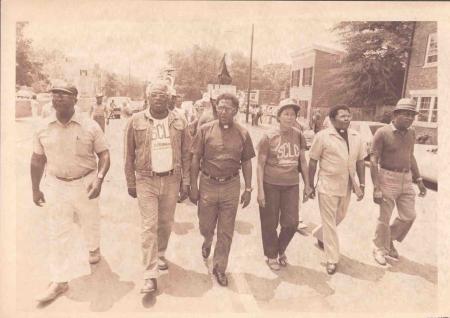
Division of African American History Collection
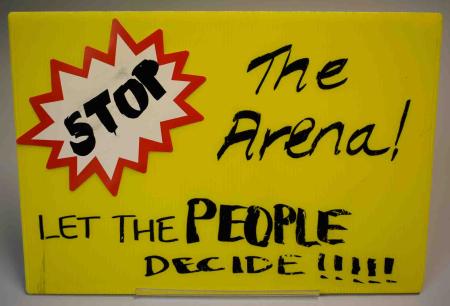
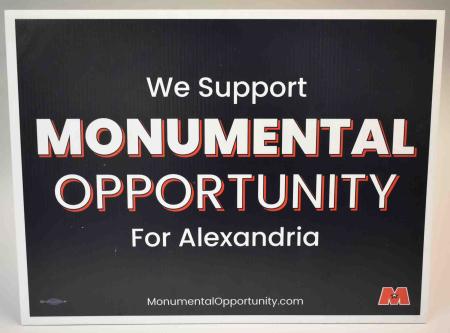
An Arena in Alexandria?
In December 2023, local and state officials announced plans to build a professional sports arena in the Potomac Yard area for the Washington Capitals and Wizards sports teams. These posters represent the debate within the Alexandria community about the proposed development. In March 2024, the City of Alexandria announced the arena plan would not move forward.
The Alexandria History Museum at The Lyceum Collection