
Buglers & Brass Bands: Soldier Musicians in the Civil War
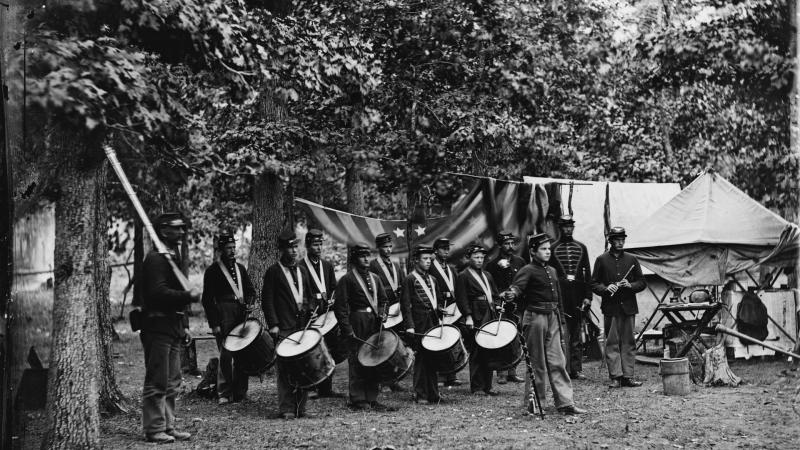
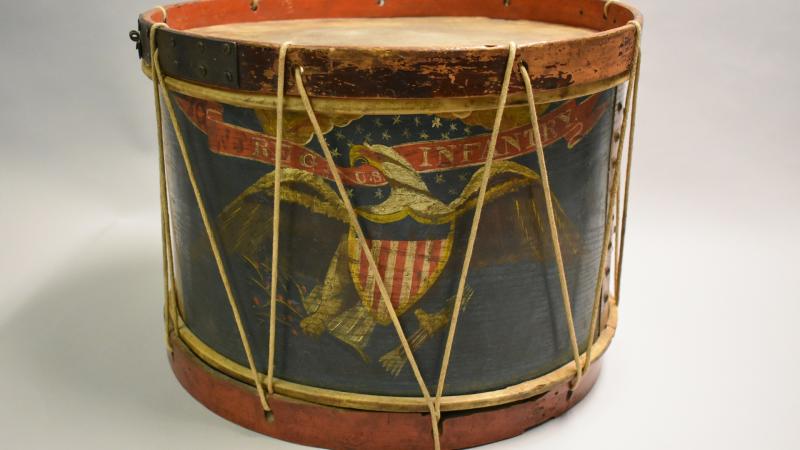
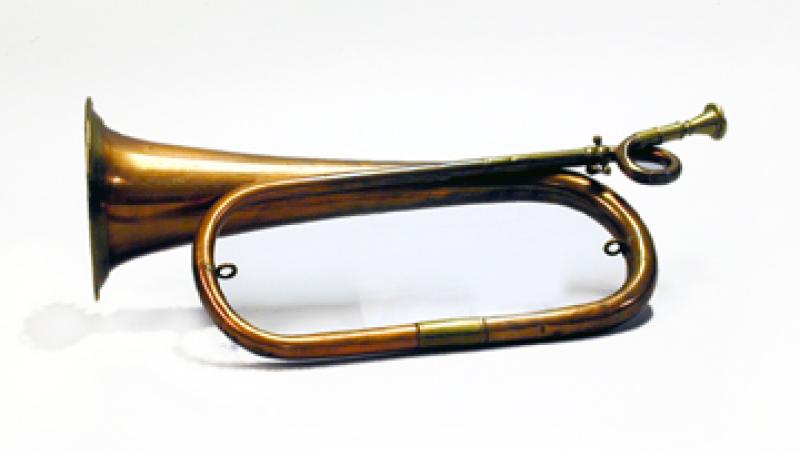
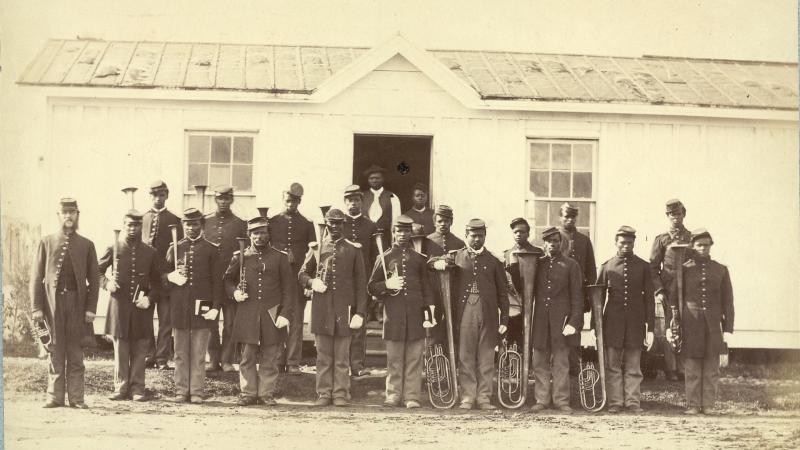
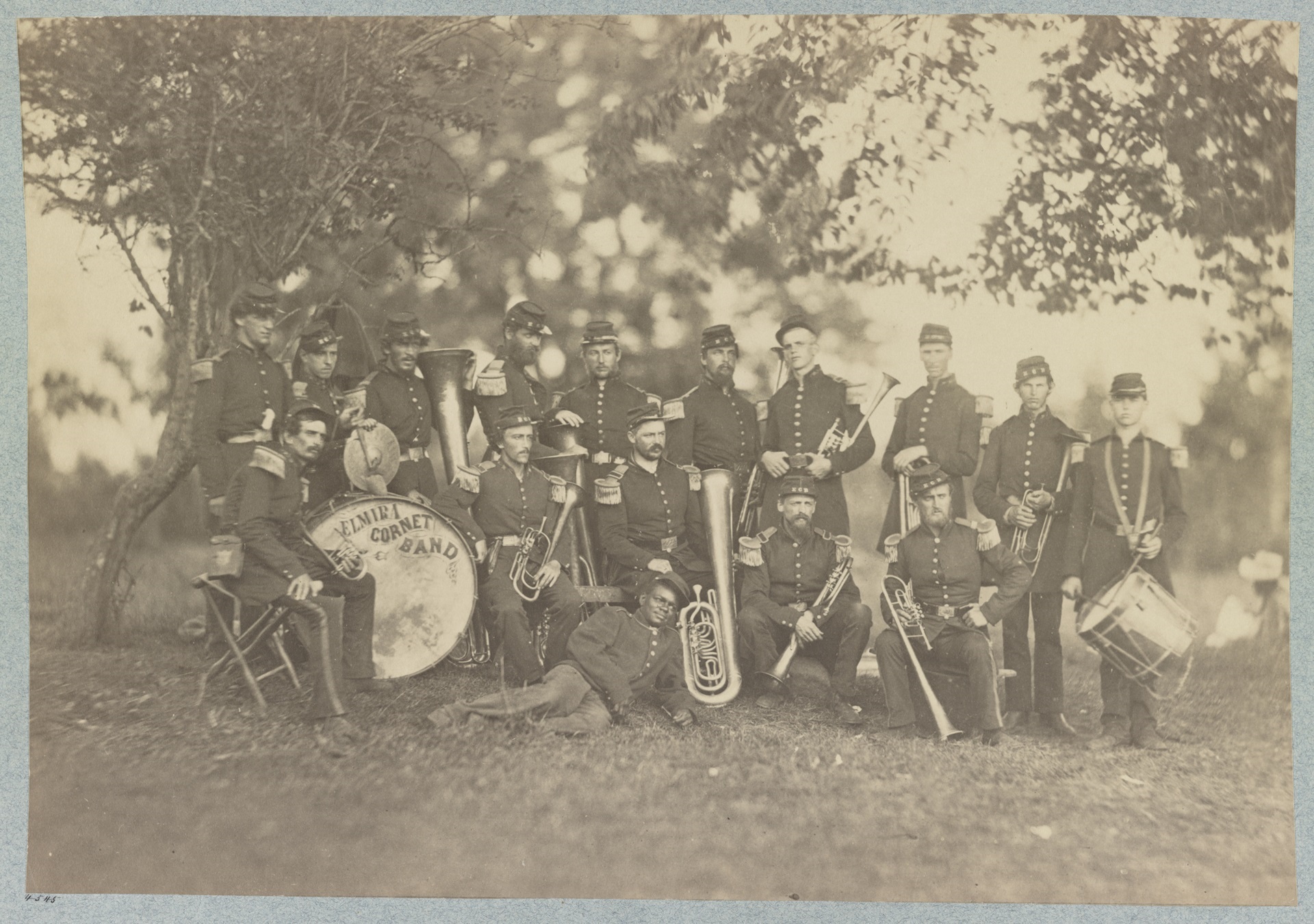
Music was essential to the military operations and morale of both the Union and Confederate armies during the Civil War. Regimental bands and field musicians, consisting of fifers, drummers, and buglers, acted as the primary communication system for the troops. These musicians signaled the daily routine, sounding specific calls for waking, meals, drills, and the "long roll" that alerted soldiers to immediate danger.
In combat, the sounds of the fife and drum or the blast of a bugle could be heard over the roar of battle, conveying tactical commands like "advance" or "commence firing" when vocal orders were impossible to hear. Despite their noncombatant status, many of these men and boys, some as young as twelve, faced the same dangers as their fellow soldiers, earning Medals of Honor for their bravery under fire. When not performing their musical roles on the battlefield, they often provided medical support, serving as stretcher-bearers, surgical assistants, caring for the wounded and burying the dead.
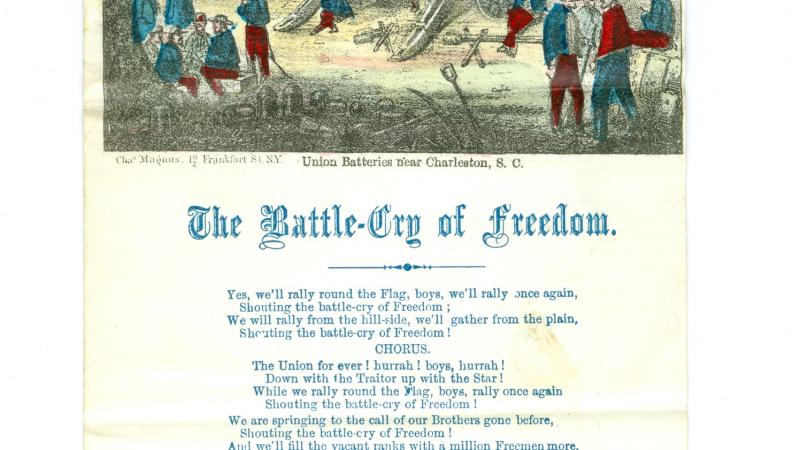
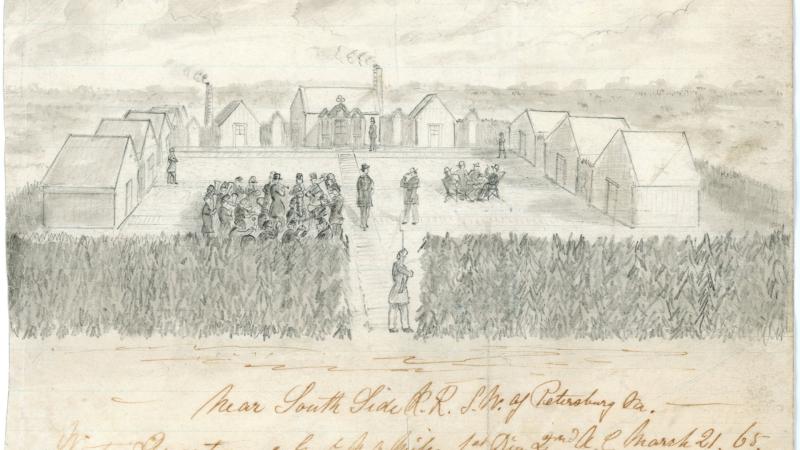
In camp and on the march, musicians served as a vital source of comfort and encouragement to the troops. Brass bands and informal song circles provided a respite from the drudgery and homesickness of war, playing tunes like “Lorena” or “The Battle Cry of Freedom” to bolster morale and lift spirits.