
Intelligent Safety Systems
The Intelligent Safety Systems pillar focuses on modernizing Alexandria’s roadway network through upgraded traffic signal technology and advanced system management tools. These improvements enhance safety for all travelers, optimize traffic flow along key corridors, and lay the foundation for future smart city and connected-vehicle applications.
Through this pillar, the City deploys adaptive signal controls, real-time sensor data, automated performance monitoring, and communication upgrades that allow signals to respond dynamically to changing roadway conditions. These technologies help reduce crashes, minimize delays, and improve travel reliability for drivers, transit riders, bicyclists, and pedestrians.
What is Adaptive Traffic Signal Control?
Adaptive traffic signals detect and respond to real-time travel conditions. Cameras are used to detect the size of queues waiting for a signal, and a central "brain" uses this information to decrease your wait and ensure efficient timing for vehicles all the way down the corridor. Alexandria's current traffic signal system works on a pre-programmed schedule, changing the traffic signals according to the time of day. This project will help the city better respond to unexpected disruptions and empower a smoother travel experience for drivers, buses, and emergency vehicles.
The Adaptive Traffic Signal Control (Adaptive) project will:
- Upgrade traffic signal software
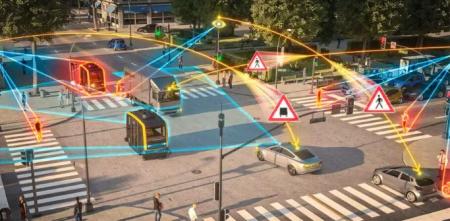
- Implement new traffic signal controllers for consistent infrastructure Citywide and to integrate with future autonomous vehicles
- Deploy vehicle sensors to allow traffic signals to adapt to changing traffic conditions.
Project Background
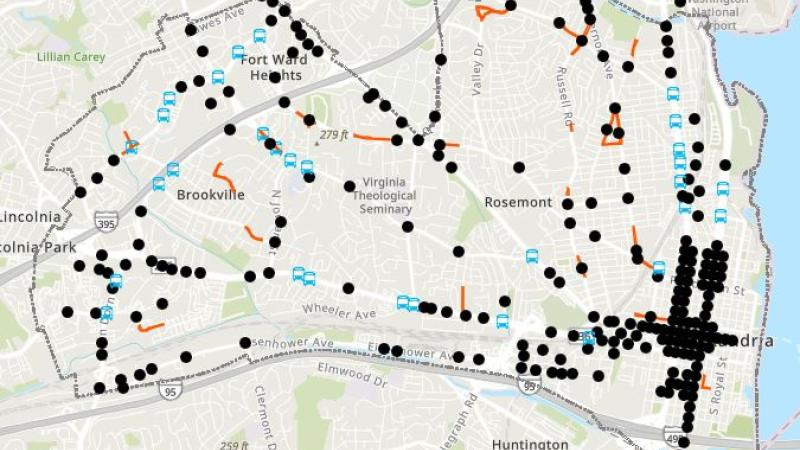
The Adaptive Project was initiated several years ago when navigation apps started dynamically changing traffic patterns, reducing predictability. The City applied for and was awarded more than $14.5 million funding to implement this project in two phases. In Phase 1, the traffic signals along Van Dorn Street and Duke Street will be placed under adaptive control. Phase II of the project will expand the number of adaptive traffic signals and harmonize signal control with navigation apps and autonomous vehicles, possibly deploying artificial intelligence, and predicting short-term traffic.
Project Description: Adaptive Signal Control Phase I
The purpose of this project is to enhance the City of Alexandria’s traffic signal network through the installation of adaptive signal control technology along the Duke Street and Van Dorn Street corridors. This phase introduces new detection and management systems, upgrades traffic signal controller cabinets, and enables real-time adjustments to signal timing based on changing traffic conditions.
The adaptive system uses video and LiDAR-based detection to monitor travel conditions and optimize signal operations throughout the corridor. By adjusting timing automatically, the system improves travel time reliability, reduces congestion, and supports more efficient and coordinated corridor operations during incidents, weather events, and peak-hour traffic.
This effort supports the City’s broader Smart Mobility and Intelligent Transportation System (ITS) initiatives, advancing digital infrastructure to prepare for future connected and automated vehicle (CAV) technologies.
Overall Project Status
The project is active and currently in the construction phase. Work began in summer 2025, with the contractor installing conduit and pulling cable across all intersections within the project limits. These improvements will enable the adaptive signal control system to operate seamlessly once equipment installation is complete.
Construction is progressing on schedule, and substantial completion is anticipated in spring 2027.
PROJECT TIMELINE
- Planning: 2020 – 2021
- Design: 2021 – 2023
- Construction: 2025 – 2027
- Completion: Anticipated Summer 2027
Project Description: Adaptive Signal Control Phase II
The purpose of this project is to expand the City of Alexandria’s Adaptive Signal Control Technology (ASCT) program by implementing Phase II of the adaptive signal network. This phase will extend adaptive signal coordination to additional key corridors throughout the City, improving real-time signal responsiveness, reducing travel delay, and enhancing multimodal system performance.
The project will deploy advanced video detection and management systems to monitor traffic flow, detect congestion, and dynamically adjust signal timing across the corridor. The upgrades will build upon existing infrastructure from previous ITS and ASCT projects, integrating new signalized intersections and improving communications between the Traffic Management Center (TMC) and the City’s fiber network.
Overall Project Status
The project is active and currently in the planning phase. The City has completed project scoping and coordination with VDOT to align with SMART SCALE funding and project readiness requirements.
A consultant has been selected through the City’s on-call contract to advance the project into design, anticipated to begin in Fall 2025. During this stage, City staff will finalize corridor limits, detection device locations, and communications integration plans to ensure seamless connectivity with the City’s growing adaptive network.
Project Development
PROJECT TIMELINE
- Planning: 2024 – 2025
- Design: 2025 – 2027
- Construction: 2028 – 2029
- Completion: Anticipated 2029