
Mold
Mold is a type of fungus that grows in moist environments. It is natural and can be found outdoors and indoors. It travels through spores in the air and can damage items in your home if it is untreated. Mold is common in Alexandria.
Mold can cause negative health effects like coughing, sneezing, eye irritation, or breathing difficulty. Those with respiratory illnesses, children, and older adults should all be careful when exposed to mold.
Browse information and resources below. Your approach to dealing with mold may vary based on your home, so review information that best fits you.
For Renters - Mold Support Step by Step
Step 1: Report Mold to Your Landlord/Property Manager
Your landlord is legally required to address mold concerns in your unit and anything that may be causing it.
For more details about Virginia laws on housing conditions, visit the Code of Virginia website. Your lease may have specific language about this.
Notify your property manager or landlord in writing and include pictures. Always keep a copy for yourself - this creates a record of your concern.
Review the “Reporting Mold Draft Language” section below for templates by city staff and property managers that you can use to report mold.
Step 2: Report Your Concern to the City with 311
If you reported an issue and the property manager has not addressed it within 30 days, the City of Alexandria's Code Administration team may be able to help. They may be able to closely review the issue and look for sources of water entering your unit which can often lead to mold.
The City of Alexandria Office of Code Administration will not inspect or test for mold.
To report your issues to the City, use Alex311. You can call 703.746.4311 (translation services available by phone) or use the website:
For updates on your complaint, visit the 311 website and enter your request number under the “Status” tab.
It is illegal for property management to "retaliate" or get back at you for reporting your issue to 311. If your property manager is retaliating against you because you reported an issue, file a complaint on Alex311 and you will be connected with the City of Alexandria's Office of Human Rights.
Step 3: Legal Action for Mold in Alexandria
The City of Alexandria is not able to provide legal advice or legal assistance to those seeking legal action for mold issues.
If you feel you must take legal action against a landlord or property manager due to mold concerns, you may choose to seek legal advice or assistance. Here are some local options:
- Legal Services of Northern Virginia - learn to apply for free services
- Alexandria Bar Association - Lawyer Referral Services
- Virginia Statewide Lawyer Referral Services - Visit the Virginia State Bar
Instructions for ARHA Residents
INSERT LANGUAGE ABOUT SPECIAL CONSIDERATIONS FOR ARHA RESIDENTS
Asthma/COPD issue? Consider ALX Breathes
ALX Breathes is a free program from the Alexandria Health Department that offers free one-on-one home support, information, and resources for residents experiencing asthma or COPD. Renters are eligible.
If you believe you qualify, enroll by calling Alexandria Health Department at 703.746.4988 or fill out the online form.
For Home and Condo Owners
Cleaning Mold
Safety First
- Wear gloves, an N95 mask, and eye protection.
- Work in a well-ventilated area.
- Avoid dry brushing mold —use a wet cloth or sponge to prevent spores spreading in the air. Use disposable cloths or sponges and discard them after use.
Cleaning Guidelines
- Porous items or something with many holes that lets air or water pass (like fabric, paper, cardboard) are hard to clean and may need to be discarded. Non-porous items, or items that do not have small holes that make it easy for air and liquid to enter (like metal, glass, plastic) can be cleaned with detergent and water.
- Most of the time, you can use common household cleaners like vinegar, baking soda, or hydrogen peroxide to clean the mold. Particularly if you have asthma or any type of breathing issue.
- If the other cleaning options aren’t enough, you can use bleach (1 cup per gallon of water)— but never mix bleach with ammonia.
- Dry the area after cleaning.
Mold Testing
If you would like to explore the possibility of getting your mold tested, here are some options:
- Jes Foundation Repair - Free Mold Inspection
Resources for Mold Treatment (Remediation)
If you would like to explore the possibility of getting your mold treated, also known as mold remediation, here are some options:
- Rebuilding Together DC-Alexandria - Free Remediation for low income homeowners
- ServPro - Commercial
- Valor Mold Removal - Commercial
- Steps to Mold Removal
For Landlords and Property Managers
Legal Requirements from Virginia Code
Virginia Code Requirements for Remediation of Mold in Rental Properties are summarized below. For full requirements, review the code:
- Mold Disclosure at Move-In (§ 55.1-1215)
- Landlords must tell new tenants if there is any visible mold in the unit during the move-in inspection.
- If no mold is reported, that statement is considered correct unless the tenant objects in writing within 5 days.
- Maintaining a Safe and Healthy Home (§ 55.1-1220)
- Landlords must keep the rental in good condition to prevent moisture buildup and mold growth.
- If a tenant reports moisture or mold, the landlord must respond quickly and fix the issue using professional mold removal standards.
- If Mold Forces a Tenant to Move Temporarily (§ 55.1-1231)
- If mold makes the unit unsafe, the landlord must pay for the tenant to stay in a similar unit or a hotel for up to 30 days.
- The tenant still has to pay rent during this time, but not for the relocation or mold cleanup.
- Who Pays for Mold Cleanup? (§ 55.1-1231 and § 55.1-1227)
- The landlord pays for all mold removal and relocation costs—unless the tenant caused the mold by not properly ventilating or reporting moisture problems.
- After Mold is Fixed (§ 55.1-1220)
- Once mold has been professionally removed, landlords don’t have to tell future tenants about the past mold issue. For current tenants, landlords are required to share steps for mold remediation done in their unit and reinspect after mold is remediated.
Licensed Mold Remediation
Contractors who perform mold remediation, or treatment of mold, in homes must be licensed by the Institute of Inspection, Cleaning, and Restoration Certification (IICRC). You can use the IIRC's contractor locator to find a licensed mold remediator near you.
The Virginia Department of Health (VDH) does not assess the credentials of, or make recommendations regarding, specific mold specialists.
How to Prevent Mold from Growing
Mold grows in moist environments. The best way to prevent mold is to make sure there are no areas of standing water, moisture, or leaks in your home. To prevent mold, you can:
- Keep humidity below 50%. Here is an affordable option to check your humidity levels.
- Use exhaust fans in bathrooms and kitchens. If the exhaust fans are not working, keep the bathroom door open after showering and open a window if available. Similarly, open a kitchen window while cooking to improve ventilation or air flow in the room.
- Request, borrow, or purchase a dehumidifier, which draws moisture from the air. It’s important to empty the dehumidifier reservoir daily.
- Clean laundry vents regularly.
Additional Resources
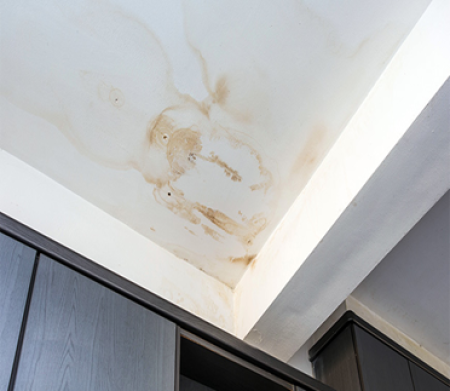
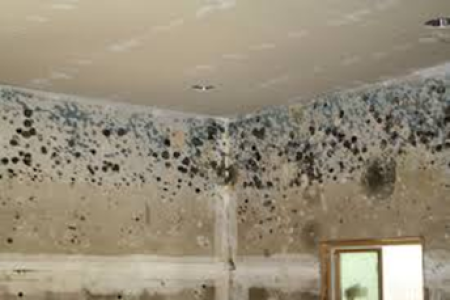
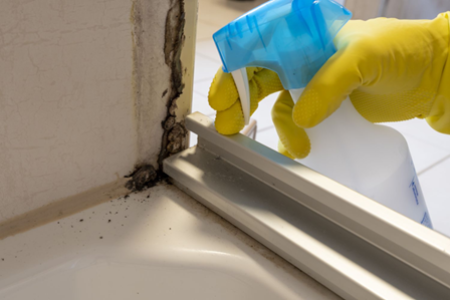
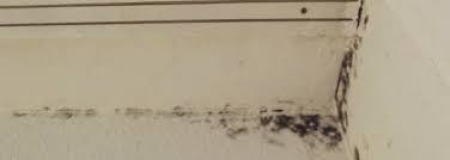
Pictures of Mold
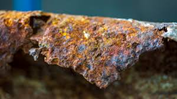
Not Mold:

Commonly Used Mold Words
- Mold remediation- treating and/or removing mold and areas that have been exposed to mold
- Water intrusion- water entering your home in a way in an unexpected or unwanted way.
- Retaliate- someone getting back at you for speaking up
- Porous Items- has lots of small spaces or holes
- Ventilation- air flow or fresh air entering a space
- Corrosion/ rust- break down of a metal or iron
Templates for Reporting Mold
Mold is often a sign of a bigger issue like leaking water. Leaking water in your home can also be referred to as “water intrusion” or “water penetration” which is a code violation.
It is important to specifically mention concerns of "water intrusion" or "water penetration" when reporting mold to your property manager. You should also try to tell your landlord or property manager what you think may be the source of the water.
You can use these templates:
- Reporting Mold
- Asking what was done
- How to ask for more help if problem persists
Sometimes you will need to follow up with your property management. Every time you call or email management, record the date, time, and who you spoke with. If you speak with someone on the phone, make sure to follow up with an email.
Keeping a detailed log helps you and your property manager keep track of the issue. If no action is taken within 30 days, report it to 311.
More Resources
- Mold Clean Up Guidelines and Recommendations - CDC
- 8 Tips to Clean Mold - CDC
- Guidance on Ventilation and Humidity - NCHH
- Homeowners and Renters Guide to Mold Cleanup After Disasters - CDC
- Reduce your Exposure to Mold in Your Home
- What to Wear Before Entering a Home or Building with Mold Damage - CDC
- Mold Clean-Up After Disasters: When to Use Bleach
- A Brief Guide to Mold, Moisture and Your Home - US EPA
- Guidance on Purchasing an Air Cleaner - RAMP