To request fire incident, EMS medical records, and/or EMS billing statements, please click here.
Notice: Change to Ambulance Billing
The City of Alexandria Fire Department has recently changed ambulance transportation billing providers, after an issue with the company that previously handled billing, Change Healthcare/Optum/Per Your Health.
Some residents might receive a bill or requests for insurance information from Change Healthcare/Optum/Per Your Health. We are asking that residents disregard any billing questions that they receive from this company.
The City of Alexandria's new vendor for billing is EMS Management & Consultants (EMS|MC). Once new bills are sent to customers, questions can be directed to their website here or by calling 1-800-849-5603.

Fire Department
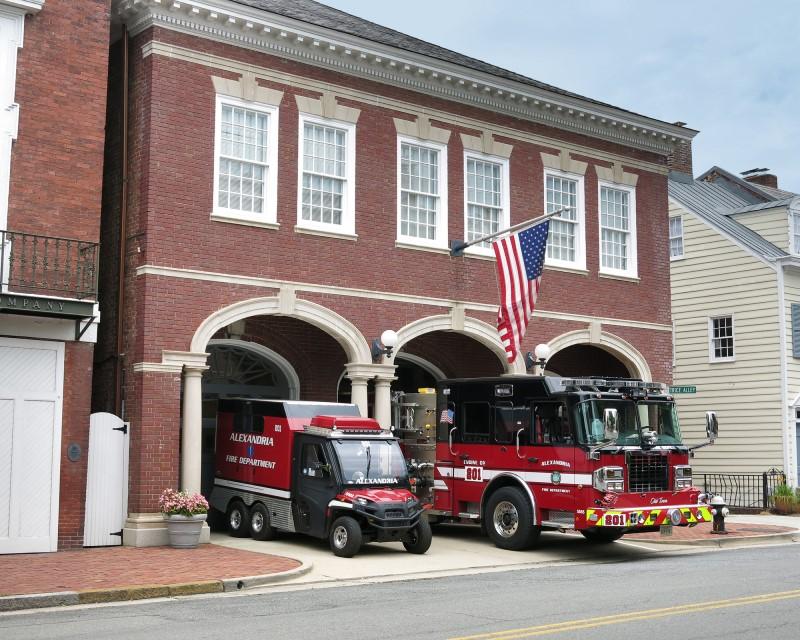
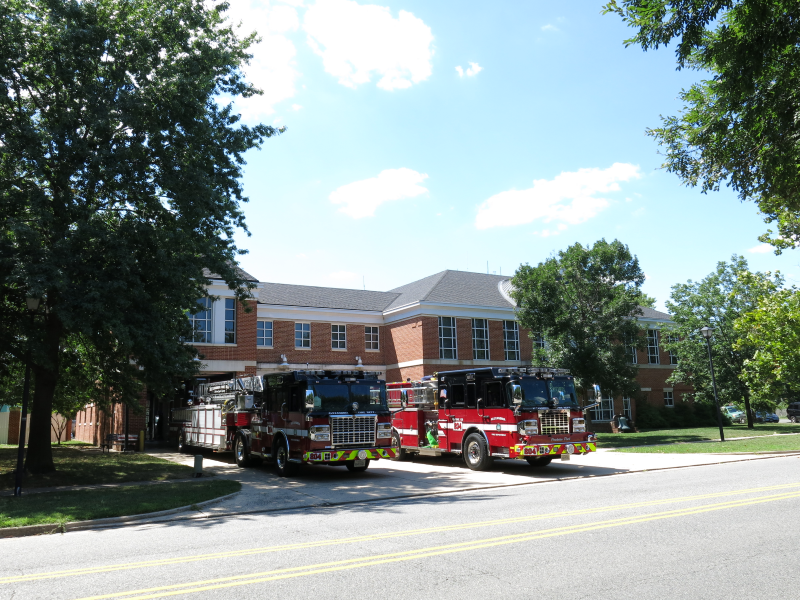
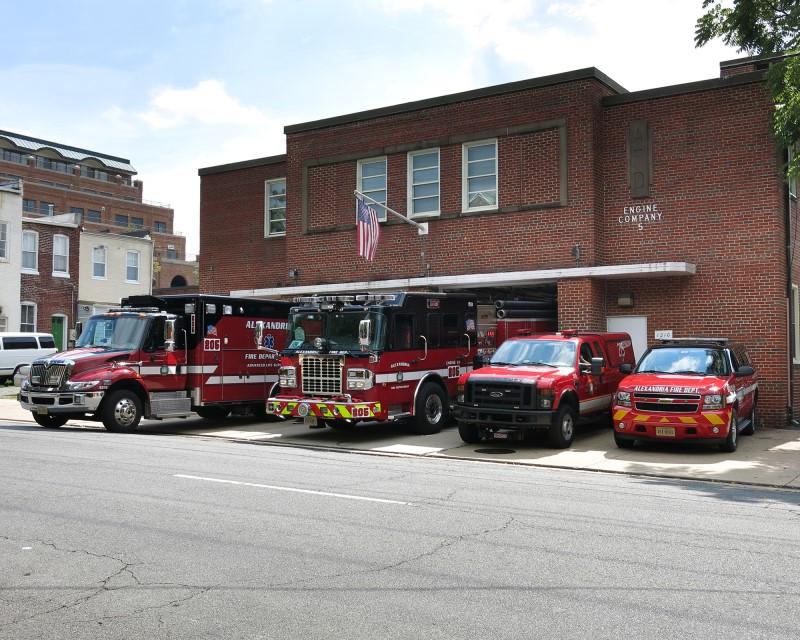
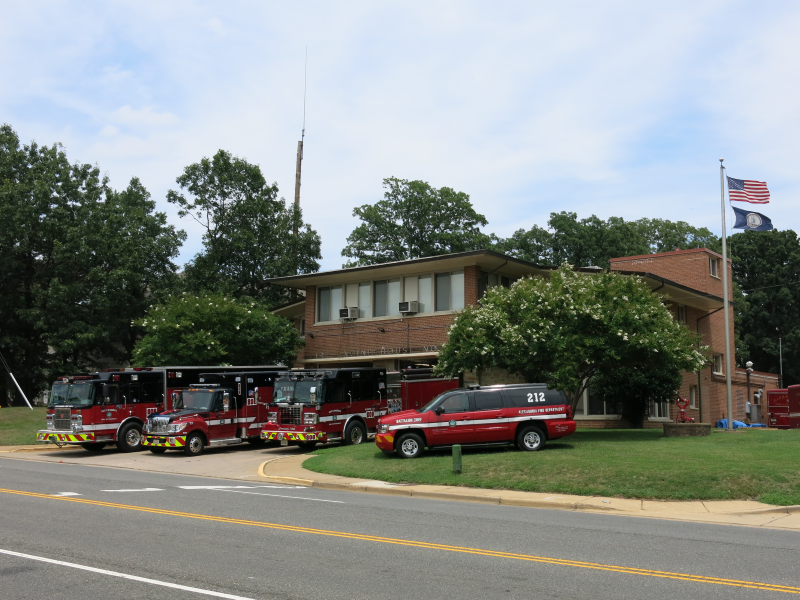
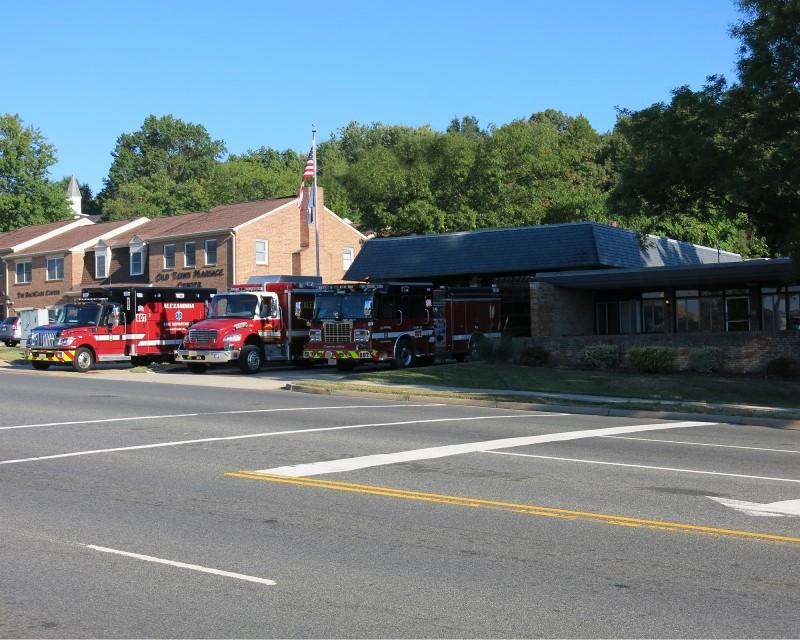
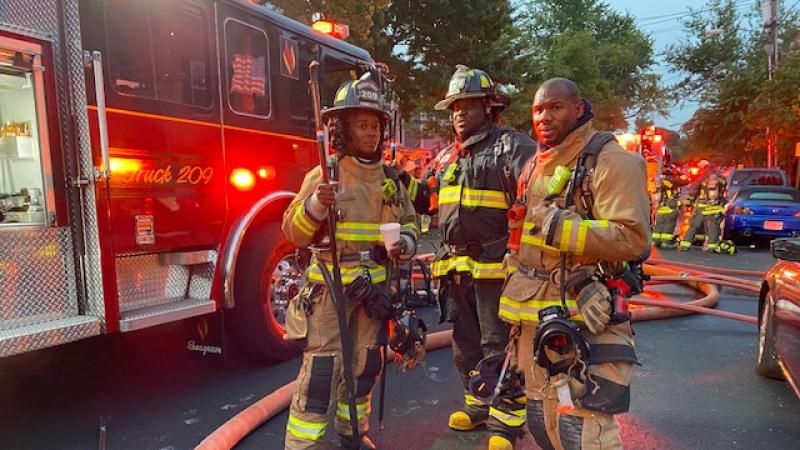
Today, the Alexandria Fire Department employs more than 300 professional personnel, which include firefighters, paramedics, fire prevention staff and administrative support. A network of 10 stations protects nearly 16 square miles. Among the department's specialized teams are the Northern Virginia Regional Hazardous Materials Team, Technical Rescue, Marine Operations and the Special Operations teams.
The Alexandria Fire Department has an Insurance Services Office (ISO) fire rating of 2. The ISO fire rating reflects how well a fire department can protect your community and home. Insurance companies use this rating to help set home insurance rates, as a home that is less likely to be severely damaged or destroyed by a fire is cheaper to insure. The highest ISO fire rating is a 1. Visit Community Risk Reduction (CRR) for more about the services AFD provides to protect the residents, businesses, and visitors of Alexandria.
Our Mission, Vision, and Values
To serve the community by protecting lives, property, and the environment.
The Alexandria Fire Department strives for excellence in community risk reduction, emergency preparedness and response to create a safe, resilient, and healthy community for all.
COMMUNITY
We commit to understanding the needs of our entire community and will demonstrate meeting those needs through our actions every day.
PROFESSIONALISM
We will strive for excellence through continuous improvement through training, professional development, and mentorship to accomplish our mission.
DEDICATION
We will embrace the community we serve, the profession we chose and the colleagues we work with by:
- Doing the right thing
- Treating each other with respect
- Supporting each other and contributing to the greater good
- Maintaining positive interactions always
EQUITY
We will demonstrate fair and just actions through our policies, our communications, our hiring, our promoting, and our commitment to including our diverse community and workforce to be responsive, efficient, and contemporary with accomplishing our mission.
PREPAREDNESS
We will maintain the confidence of our community by always ensuring a state of readiness to achieve our mission.
UNITY
We will create an environment that strengthens working relationships and fosters a sense of pride for all to accomplish.
What's New


Alexandria Fire Stations
In the event of an emergency, call 911. For non-emergencies, call (703) 746-4444.
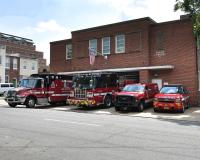
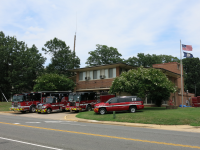
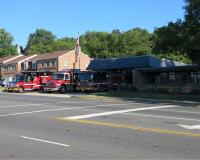
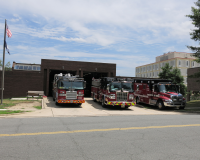
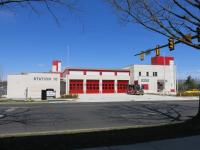
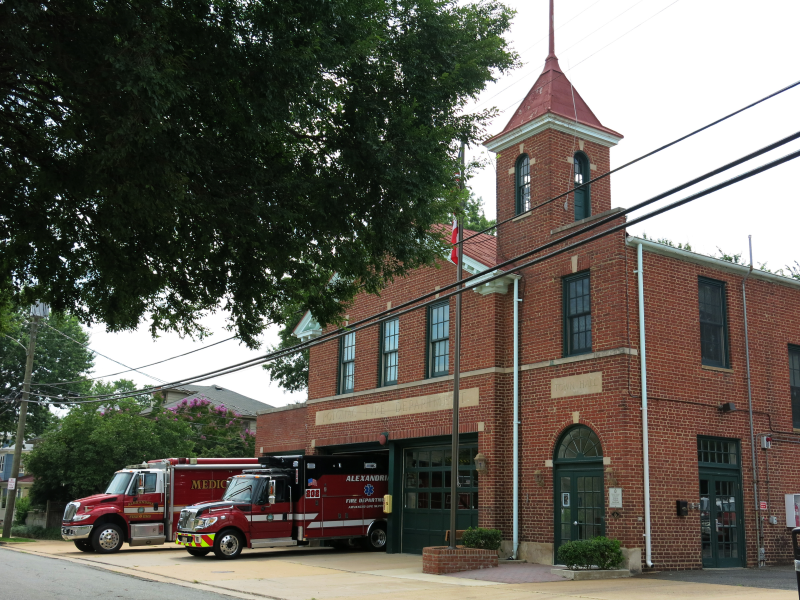
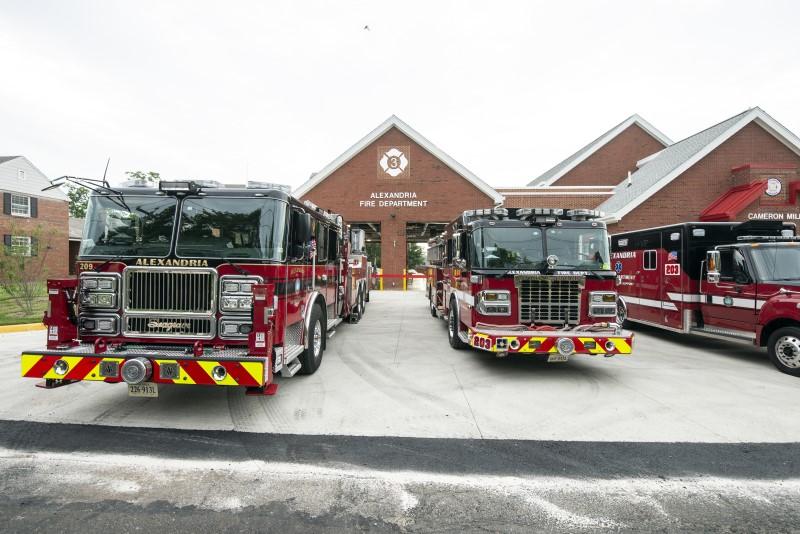
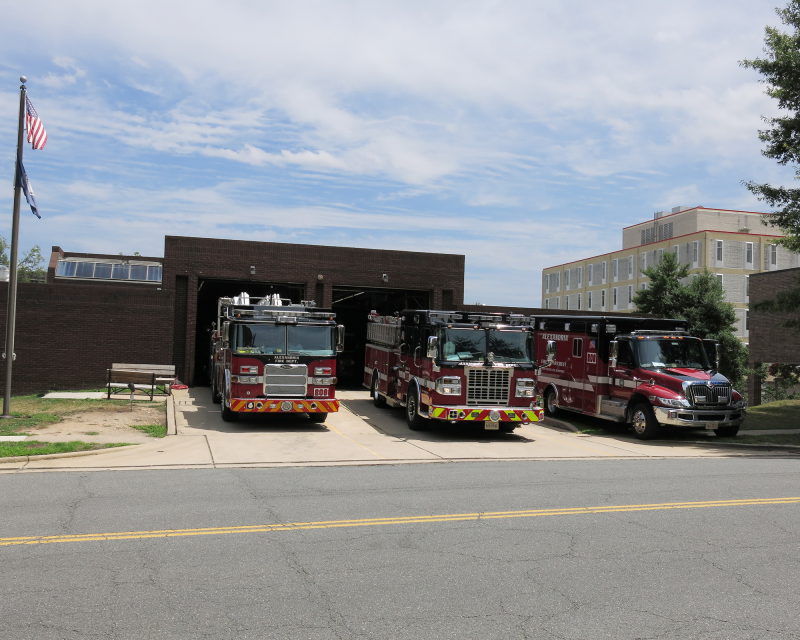
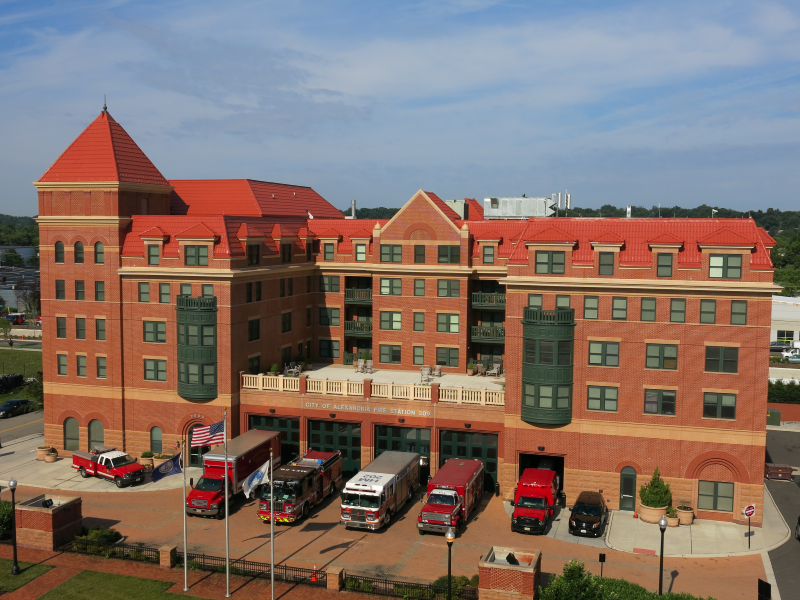
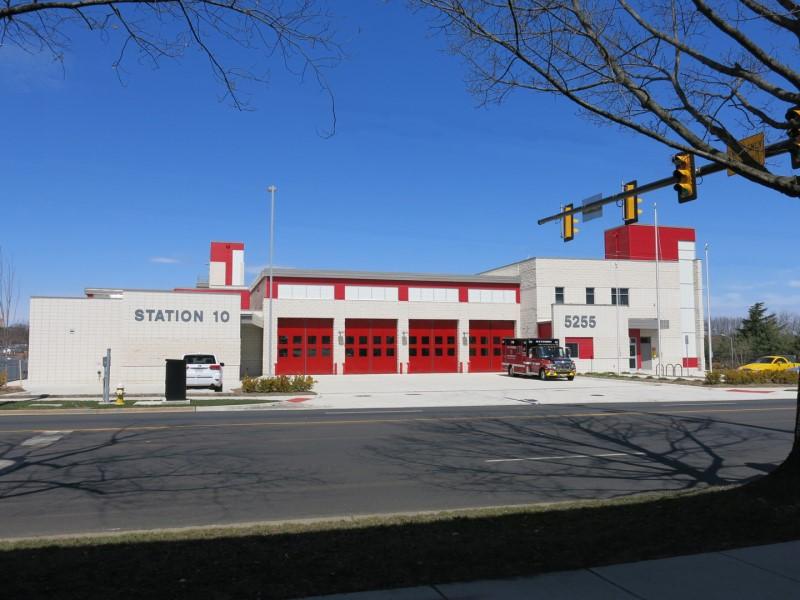
The Alexandria Fire Department responds to more than 20,000 emergency calls a year, from 9 fire stations strategically located across the City of Alexandria. The Fire Department also maintains training facilities, a maintenance shop, and a health and wellness clinic for personnel at Station 202 in the Del Ray area of the city.